
Reading Time: 3 min.
Science is beginning to confirm something cultures around the world have practiced for centuries: sharing a table doesn’t just nourish the body. It may make us happier, too.
Few things are as universal as eating. We do it out of necessity and pleasure, to celebrate, to comfort ourselves and, long before restaurants, delivery apps or even cutlery existed, to come together.
Somewhere along the way, however, eating also became something we could do alone and in a hurry: breakfast while answering emails, lunch in front of a computer or dinner while watching a show with our phone within reach.
We may be losing something more important than we realize.
A 2026 study published in Scientific Reports analyzed data from more than 150,000 people across 142 countries and territories and found a remarkably consistent relationship between sharing meals and our wellbeing. People who eat with others tend to report greater life satisfaction, more positive emotions and fewer negative ones.
And the relationship appears significant enough to deserve our attention: how frequently we share meals can explain differences in wellbeing comparable to socioeconomic indicators such as income and unemployment.
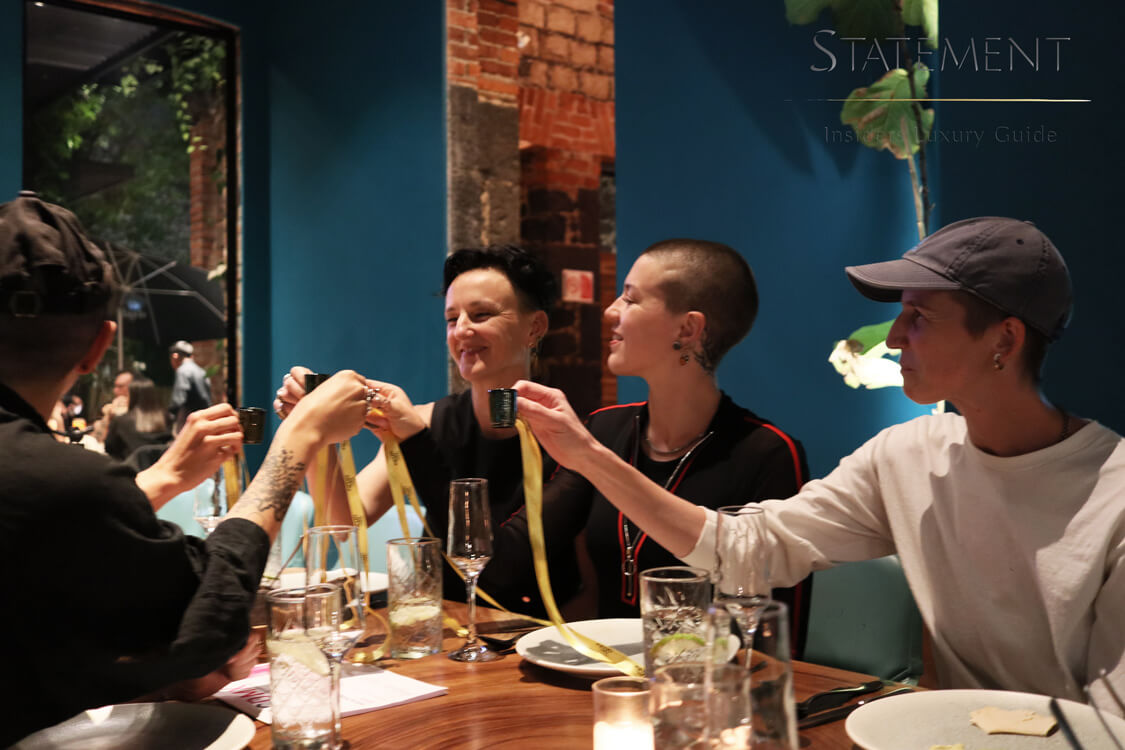
Happiness May Have a Place at the Table
The research begins with an extraordinarily simple question: during the past seven days, how many times did you have lunch or dinner with someone you knew?
The answer seems to reveal quite a lot about us.
Across ages, genders, countries and cultures, people who shared more meals also reported higher levels of subjective well-being. The association remained even after researchers considered factors such as income, education, employment and household size.
That doesn’t mean organizing a dinner party is a scientifically proven recipe for happiness.
The researchers themselves make an important distinction: there is an association, but we cannot yet say that sharing food directly causes greater happiness. It is also possible that people who feel better are more inclined to spend time with others — or, perhaps more likely, that the two reinforce each other.
What does seem increasingly clear is that the table serves a purpose far greater than simply holding our plates.

Eating Together Is a Form of Connection
Sharing food requires us, even if only for a few minutes, to be in the same place.
Someone sits across from us. There is conversation, silence, questions and stories. We ask someone to pass something. We taste what someone else ordered. We wait. We listen.
These may seem like insignificant gestures, but they are part of one of the factors most closely associated with our wellbeing: social connection.
Global data points in the same direction. People who share more meals are significantly less likely to report loneliness and more likely to say they have someone they can turn to when they need help.
And there is another fascinating detail: this doesn’t seem to be exclusively about big family gatherings or elaborate dinners.
It can be breakfast with a partner. Lunch with a colleague. Sitting down with a friend. Making something simple at home and sharing it.
At least part of the value seems to lie simply in not always eating alone.
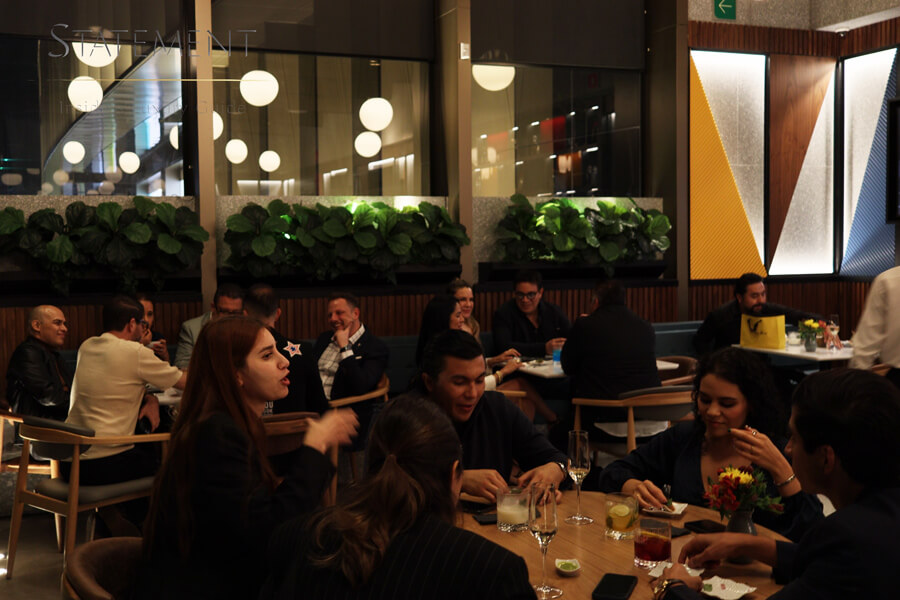
In Some Places, We Are Doing It Less
Paradoxically, while we have more ways to communicate than ever before, people in some countries are increasingly eating by themselves.
In the United States, for example, roughly one in four adults reported in 2023 that they had eaten every meal the previous day alone. That figure had risen 53 percent since 2003, with the trend particularly pronounced among younger people.
The same body of research revealed something equally interesting: people who had shared at least one meal reported greater happiness and less stress, sadness and pain during the day.
By contrast, Latin America and the Caribbean emerged as the region where people share meals most frequently — around nine meals per week on average.
Perhaps the sobremesa — that wonderful tradition of remaining around the table long after there is almost nothing left on our plates — has more value than we give it credit for.

Maybe It’s Not Only About What We Eat
For years, we have learned to think about food in terms of nutrients.
Protein. Fiber. Fat. Sugar. Calories. Vitamins.
All of those things matter.
But perhaps there is another question worth asking every once in a while:
Who are we eating with?
Because good nutrition may begin with what we put on our plates, but our relationship with food has never ended there.
A table can be a celebration, a refuge, a conversation, chosen family, friendship or ritual. It can be where we tell someone about our day or where a seemingly insignificant conversation unexpectedly becomes an important one.
We don’t need to turn every meal into an occasion, nor should we feel guilty about enjoying dinner alone. The research doesn’t suggest that either.
But it does remind us of something simple that the speed of modern life can make remarkably easy to forget: eating has always been a social act, too.
Perhaps the next time we think about doing something good for ourselves, we won’t need to buy anything, measure anything or start another routine.
Maybe all we need to do is call someone and ask:
Want to eat together?
Follow us on Statement.
Images
Statement – Alan González S.©