
Reading Time: 4.5 min.
Laughing freely, staying active and enjoying intimacy without worry are all part of living well. Caring for the pelvic floor is one way to preserve that freedom.
We dedicate time to strengthening our bodies, improving mobility, caring for our skin, optimizing sleep and maintaining a balanced diet. Yet there is a group of muscles whose importance we often discover only when something begins to go wrong: the pelvic floor.
Invisible and discreet, these muscles play a fundamental role in intimate health and the way we experience everyday life. Nevertheless, pelvic floor care remains one of the most overlooked aspects of women’s wellness.
After all, living well also means being able to laugh without hesitation, dance, run, travel and enjoy our bodies without physical concerns influencing our decisions.

What Is the Pelvic Floor and Why Does It Matter?
The pelvic floor is a network of muscles and connective tissues that supports organs including the bladder, uterus and rectum. Its proper function contributes to bladder control, bowel function and sexual health.
Like other muscular structures in the body, the pelvic floor can be affected by aging, hormonal changes, pregnancy, childbirth and other factors.
However, pelvic health is not exclusively a concern associated with motherhood or menopause. It deserves attention throughout the different stages of a woman’s life.
Making pelvic floor care part of a wellness routine begins with understanding our bodies, recognizing their needs and knowing when to seek professional guidance.

When Laughing or Sneezing Becomes a Concern
As winter approaches and respiratory illnesses become more common, a symptom many women experience in silence may become more noticeable: involuntary urine leakage when coughing or sneezing.
Known as stress urinary incontinence, this condition can also occur when jumping, running, lifting heavy objects or laughing.
According to a survey conducted by INTIMINA involving 3,000 women, 88% of respondents reported experiencing involuntary urine leakage in everyday situations.
Although these experiences are common, they should not be something women simply accept as an inevitable part of life. Various treatment and rehabilitation options are available to help improve symptoms and quality of life.
Speaking openly about these experiences is an important step toward removing the stigma surrounding them and recognizing pelvic health as an essential aspect of overall well-being.

Kegel Exercises: Learning to Train the Muscles We Cannot See
You have probably heard of Kegel exercises, a technique involving the controlled contraction and relaxation of the pelvic floor muscles.
While these exercises can be beneficial in certain circumstances, one of the greatest challenges is identifying the correct muscles and learning how to engage them properly.
According to INTIMINA’s research, while 68% of respondents recognize the importance of pelvic floor exercises, only 48% feel confident that they are contracting the correct muscles.
The brand describes this challenge as the “phantom muscle” effect: the difficulty of training muscles whose movements cannot be directly observed.
Dr. Susanna Unsworth, a women’s health specialist and INTIMINA expert, explains that the inability to see these muscles working can make it difficult to know whether they are being exercised correctly.
It is equally important to understand that a healthy pelvic floor is not necessarily the strongest one. The ability to relax, coordinate and activate these muscles when needed is just as significant.
Not every woman requires the same type of training. A pelvic health physiotherapist can help identify individual needs and determine whether strengthening, relaxation or another approach is appropriate.
Femtech: When Technology Meets Intimate Wellness
Growing interest in women’s health has accelerated the development of femtech, a sector dedicated to technological solutions addressing women’s specific health and wellness needs.
From menstrual cycle tracking to tools designed to support muscular rehabilitation, these innovations are reshaping our relationship with aspects of health that have historically received insufficient attention.
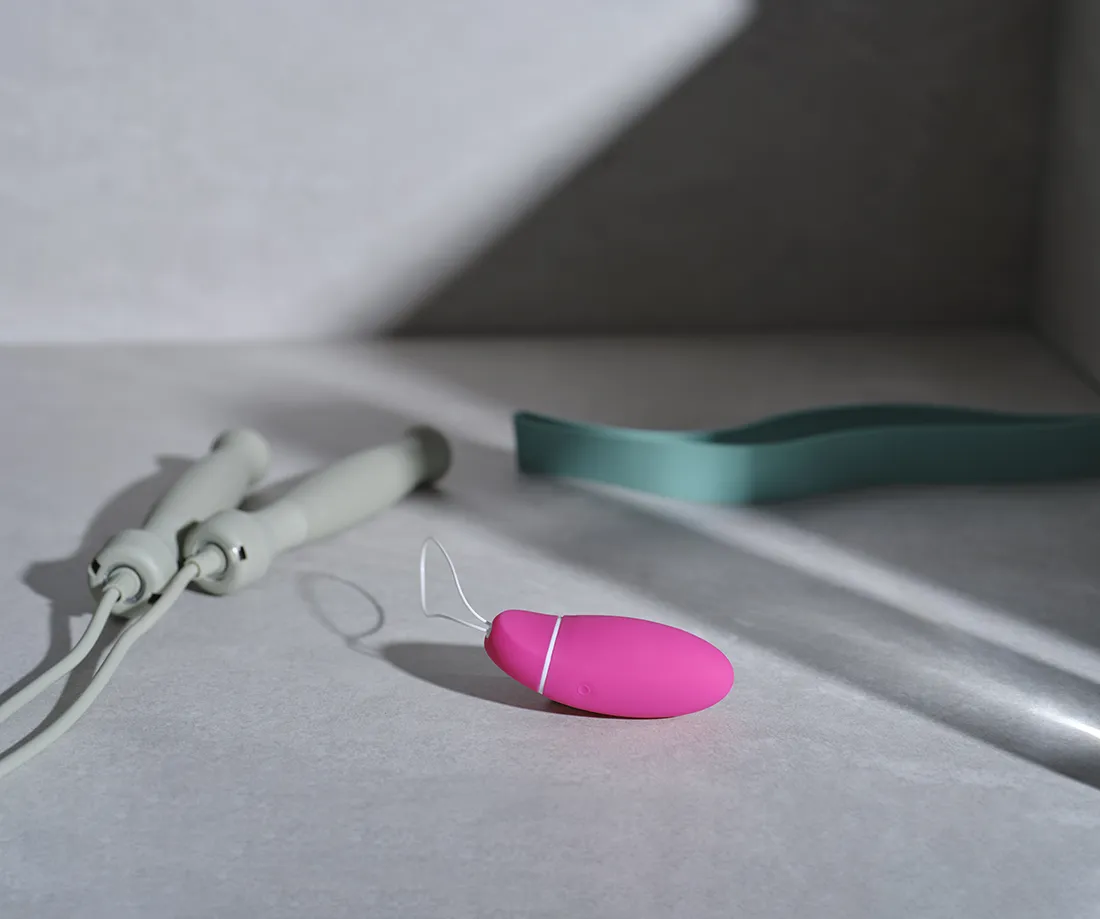
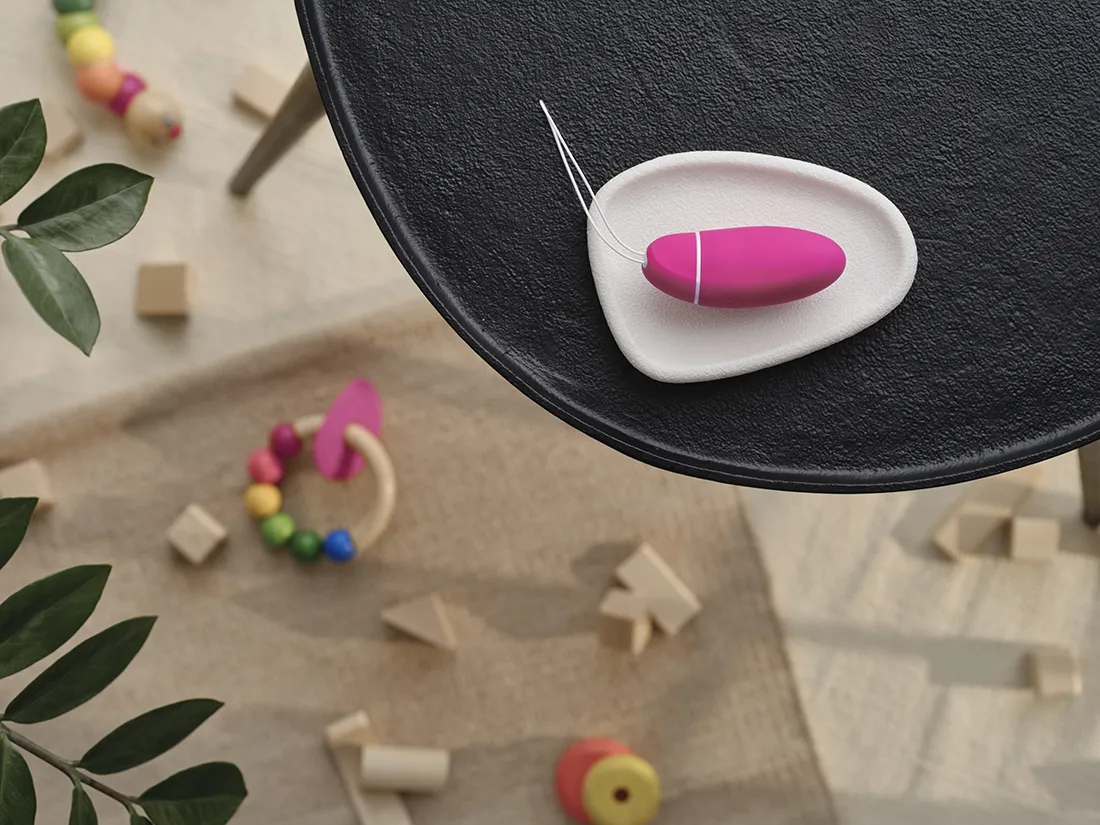
Among these developments is KegelSmart™ 2, created by INTIMINA, a Swedish intimate wellness brand founded in 2009.
According to the brand, the device incorporates touch sensors designed to assess pelvic floor muscle strength and provide guided exercise routines, making the training experience more intuitive.
The ability to better understand these muscles also addresses a concern identified in INTIMINA’s research: 82% of respondents said they would be more committed to their exercise routine if a device could provide feedback on their performance and help them track their progress.
When appropriate, such tools can complement a personal wellness routine. They do not, however, replace professional assessment or an individualized rehabilitation program.
How to Make Pelvic Floor Care Part of Your Wellness Routine
Beyond muscle training, several everyday habits can help support pelvic health:
- Maintain regular physical activity suited to your individual needs.
- Prevent constipation and avoid excessive straining during bowel movements.
- Develop awareness of how breathing and movement work together.
- Pay attention to symptoms such as urine leakage, pelvic pain or a sensation of pressure.
- Seek professional guidance before beginning a strengthening program if you experience discomfort or are unsure about your pelvic floor function.
Preventive care begins with recognizing that intimate health deserves the same attention as every other aspect of our well-being.
Women’s Wellness and the Freedom to Feel at Home in Our Bodies
The conversation surrounding longevity and quality of life should extend beyond physical appearance, athletic performance or the number of years we hope to live. It should also consider how we want to experience those years.
Moving with confidence, enjoying intimacy and participating fully in the activities that bring us happiness are expressions of bodily autonomy.
Understanding and caring for our pelvic floor is part of that freedom.
Because living well also means being able to laugh wholeheartedly without having to think about anything else.
Follow us on Statement.
images
Statement – Alan González.©