
Reading Time: 2.5 min.
Gut health goes far beyond good digestion. Discover why your gut microbiota matters, how it influences your overall well-being, and which everyday habits can help keep it balanced.
For years, we thought of bacteria as invisible enemies we needed to protect ourselves against. Today, however, we know that trillions of microorganisms live in our bodies, and many of them play essential roles in maintaining our health.
Our intestines are home to a complex ecosystem known as the gut microbiota, which contributes to processes involving digestion, immune function, and even communication between the gut and the brain.
Perhaps most interestingly, our everyday choices, especially what we eat, can influence how this ecosystem functions.

What Is the Gut Microbiota, and What Does It Do?
The gut microbiota is the collection of bacteria, viruses, fungi, and other microorganisms that inhabit our digestive tract, primarily the large intestine.
Each person has a unique gut microbiota, shaped by factors such as diet, age, environment, medication, and lifestyle.
Its main functions include:
- Digestion and nutrition: It helps ferment certain dietary fibers and produces compounds that support intestinal health.
- Immune function: It contributes to immune regulation and helps maintain the intestinal barrier.
- Gut-brain communication: It participates in a complex network of signals involving the nervous, immune, and metabolic systems.
- Intestinal protection: Certain beneficial microorganisms compete with potentially harmful microbes.
Although research continues to evolve, we know that a well-functioning gut microbiota plays an important role in overall health. However, there is no single ideal microbial composition that applies to everyone.

What Can Disrupt the Gut Microbiota?
Diet, stress, changes in sleep patterns, certain illnesses, and medications can all influence the communities of microorganisms living in our intestines.
Antibiotics, for example, are essential for treating certain bacterial infections, but they can also temporarily affect bacteria that perform beneficial functions.
A diet lacking variety and dietary fiber may also limit the nutrients available to certain intestinal microorganisms.
These changes can sometimes be associated with dysbiosis, a disruption in the composition or functioning of the microbiota. However, symptoms such as gas or bloating alone are not enough to diagnose it.
How Can You Keep Your Gut Microbiota Healthy?
The good news is that supporting gut health doesn’t require complicated routines. These five habits can make a meaningful difference.
- Eat more fiber. Fruits, vegetables, legumes, and whole grains provide nutrients that certain gut bacteria can use. The World Health Organization recommends at least 25 grams of naturally occurring dietary fiber per day for people over the age of ten.
- Include fermented foods. Yogurt with live cultures, kefir, and certain fermented vegetables can complement a varied diet, although not all fermented foods contain probiotics with scientifically demonstrated benefits.
- Stay physically active. Regular exercise supports overall health and has been associated with changes in the composition of the gut microbiota.
- Prioritize sleep and stress management. Getting adequate rest and managing stress contribute to overall well-being and may influence communication between the gut and the brain.
- Avoid unnecessary antibiotics. Taking antibiotics only when prescribed by a healthcare professional can help prevent avoidable disruptions to the gut microbiota.
Prebiotics, Probiotics, and Postbiotics: What’s the Difference?
These terms are increasingly common in conversations about gut health, but they refer to different things.
Prebiotics are substances selectively used by certain microorganisms that provide a health benefit. Probiotics are live microorganisms that, when administered in adequate amounts, offer demonstrated health benefits. Postbiotics, meanwhile, are preparations of inanimate microorganisms or their components that have been shown to benefit health.
Each plays a different role, and its potential benefits depend on its specific characteristics and the available scientific evidence.
Can Supplements Help Support Gut Health?
A balanced, fiber-rich diet remains the foundation of a healthy gut. However, certain supplements may serve as a complement depending on individual needs.
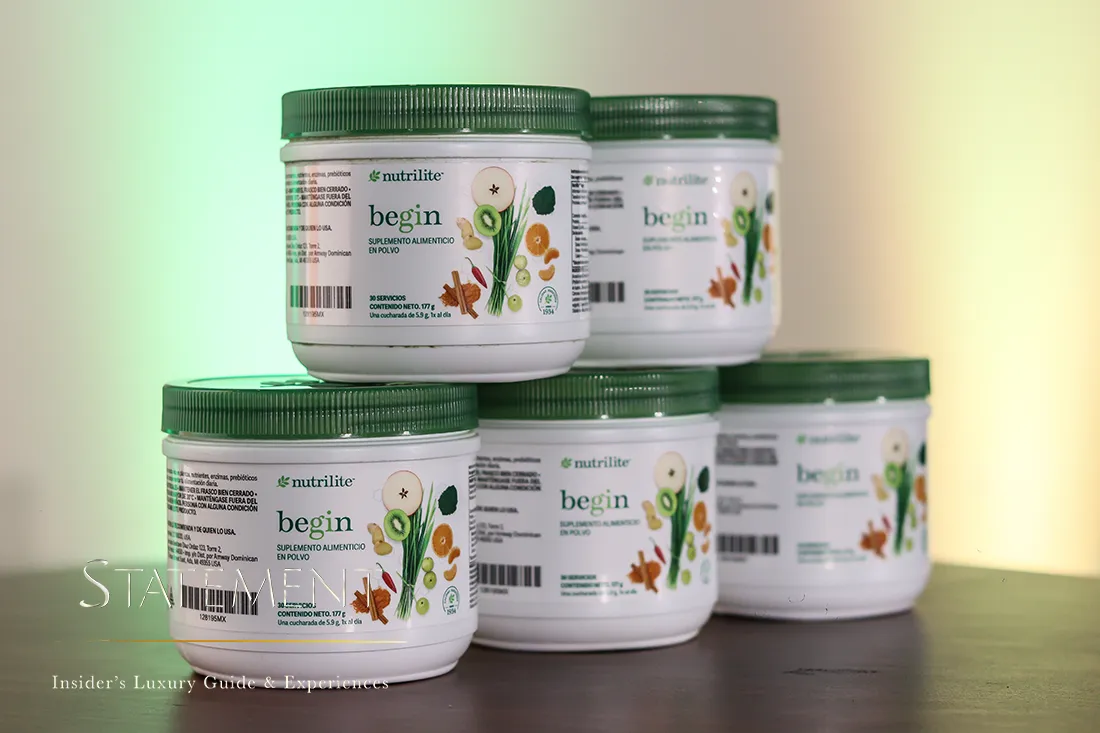
One available option is Nutrilite Begin, a powdered dietary supplement that combines fruit and vegetable concentrates, fermented vegetables, prebiotics, postbiotics, spices, and digestive enzymes.
Its convenient format makes it easy to incorporate into a daily routine as a complement to a balanced diet, rather than a replacement for healthy habits.
Well-Being Also Begins Within
Taking care of our gut microbiota means recognizing that health is shaped by countless processes taking place within our bodies, often without us even realizing it.
And while there is still much to discover about this fascinating ecosystem, one thing is clear: a varied diet, regular movement, and consistent healthy habits remain some of our strongest allies in supporting it.
Follow us on Statement.
images
Alan González S. ©