Reading Time: 5.5 min.
Aesthetic medicine is moving beyond correcting visible signs of aging to supporting long-term well-being. [Name], a specialist at the clinic, discusses prevention, personalized treatments, emerging technologies and the importance of having realistic expectations.
The clinic brings together several specialties and offers a wide range of treatments. How is this care organized?
Our dental department covers several specialties, including orthodontics with braces and clear aligners, cleanings, whitening, veneers and surgery, among other treatments.
In aesthetic medicine, we address facial and hair concerns. Our treatments include botulinum toxin, hyaluronic acid and collagen biostimulators, as well as treatments to strengthen the hair. We also offer weight-management programs, intimate treatments for women, spa services, rehabilitation, radiofrequency, ultrasound, massage and lymphatic drainage.
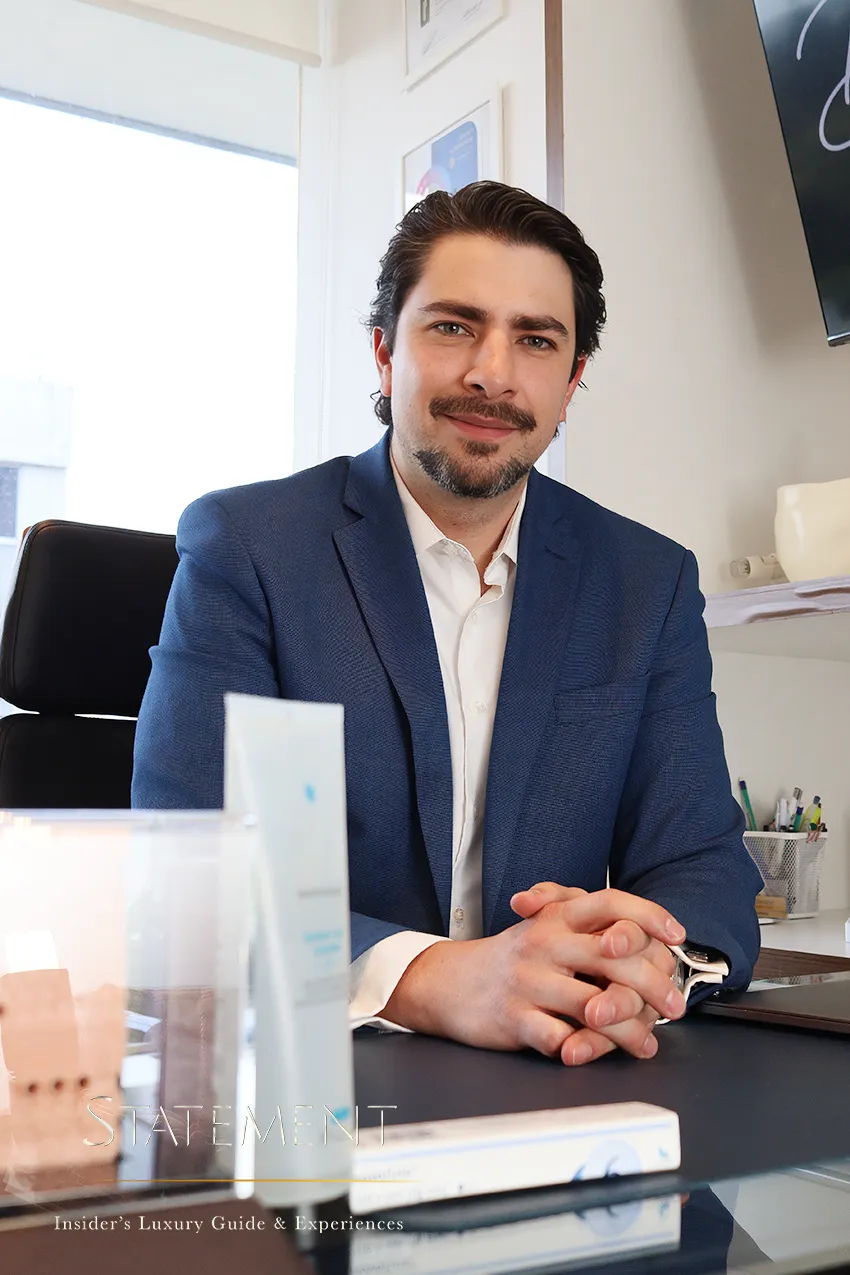
We recently added equipment for neurowellness, focused on stress and burnout. There are many options and, for that very reason, one of our challenges is explaining what we do clearly and helping each patient identify what they need.

How does the neurowellness treatment work, and who is it designed for?
Burnout often affects people who work hard and reach a point where they feel they need a break, but a vacation isn’t enough to help them recover. Other options are available, although some require longer treatment plans or a level of consistency that can be difficult to maintain.
The equipment we introduced offers a six-session protocol. It has been studied in different contexts, including post-traumatic stress, older adults and high-performance athletes. For athletes, it can be part of the support they receive as they regain confidence after an injury. They may be physically ready to return, but still worry that they won’t perform as they did before.
My focus is on men and women who take care of themselves, work, have families and want to feel better. We don’t currently treat children or focus on high-performance athletes, although the treatment has also been studied in those groups.
You also offer a treatment to strengthen facial muscles without injections. How does it work?
Many patients want to improve their appearance but don’t want surgery or injections. This treatment stimulates specific facial muscles to strengthen them. The idea is similar to exercise: working certain muscles can help create a firmer, more balanced appearance.
It doesn’t use injectables or require surgery. It may be an option for people who want to strengthen their facial muscles. It tends to appeal to patients over 30, although each case and its goals must be assessed individually.
Aesthetic medicine was long associated mainly with correcting signs of aging. How has it evolved toward a more preventive approach?
In medicine, we often act when a problem appears: if I feel unwell, I go to the doctor; if I break my ankle, I go to the doctor. Prevention isn’t always part of our habits.
In aesthetic care, we’ve seen that starting earlier can help maintain results with gradual steps, rather than waiting until 50 to try to correct many years of aging all at once. That can lead to changes that look less harmonious or less natural.
People often talk about ages 25 or 30 as a time to begin considering a care plan. That doesn’t mean undergoing aggressive treatments. It can start with an assessment of the skin, the patient’s routine and their goals. From there, we can map out a realistic approach, much like training for a marathon: you don’t achieve it overnight.

Wellness, prevention and longevity are widely discussed today. What does each concept mean, and what scientific support do they have?
There is scientific evidence for many treatments, but there is also marketing that presents half-truths. It’s not enough to say that an ingredient works: its concentration, quality and use all matter. The same applies to supplements.
Vitamin C, for example, can offer benefits, but the formulation and concentration are important. The same distinction applies to peptides: some have more research behind them, while others don’t yet have enough evidence to support certain claims.
Wellness is a broad look at how you’re doing and what you could do to feel better. Prevention focuses on addressing a specific need before it becomes a problem. Longevity, in turn, is about reaching older age while maintaining function and quality of life. The concepts are related, but they don’t mean exactly the same thing.
Which advances in regenerative medicine seem most promising to you, and which may be creating expectations that exceed the evidence?
Peptides have a lot of potential. They are chains of amino acids that can transmit signals between cells and participate in different processes in the body. But there are many of them, and more research is needed to understand what they can do and under what conditions.
That’s why it’s important to distinguish between peptides supported by solid studies and those that are still in a gray area. Some claims about recovery, sleep, concentration or performance need more evidence. We shouldn’t assume a product will work simply because it is presented as a peptide.
GLP-1 medications, meanwhile, have been extensively researched for specific medical uses. Their use should be assessed individually and with professional follow-up; not all medications in this class have the same indications or are used in the same way.
How does weight management relate to aesthetic medicine?
Some weight-management treatments can lead to significant changes. When someone loses weight, the number on the scale isn’t the only thing that matters: we also need to consider how the person feels and how they perceive their face and body.
Sometimes, significant weight loss can leave someone looking more drawn or change areas such as the face. That’s why aesthetic support can be part of broader care, always according to each patient’s needs.
Weight management requires follow-up and, in some cases, a multidisciplinary team. This may include medical, nutritional and psychological care. Our clinic doesn’t treat children; this type of care also requires attention to the child’s family and environment.
In an era dominated by filters and demanding beauty standards, how do you distinguish a genuine desire to improve one’s appearance from an unhealthy expectation?
We need to listen to the patient with sensitivity and speak honestly about what they expect. The assessment may include photographs, measurements and questions about what they want to change, why they want to begin treatment and how soon they expect to see results.
That helps us determine whether their goals are achievable. If someone wants a change that isn’t possible or appropriate, we need to explain that clearly. The goal isn’t to recommend every treatment available, but to suggest what makes sense for that person. In some cases, the answer may be that they aren’t a candidate for a procedure.
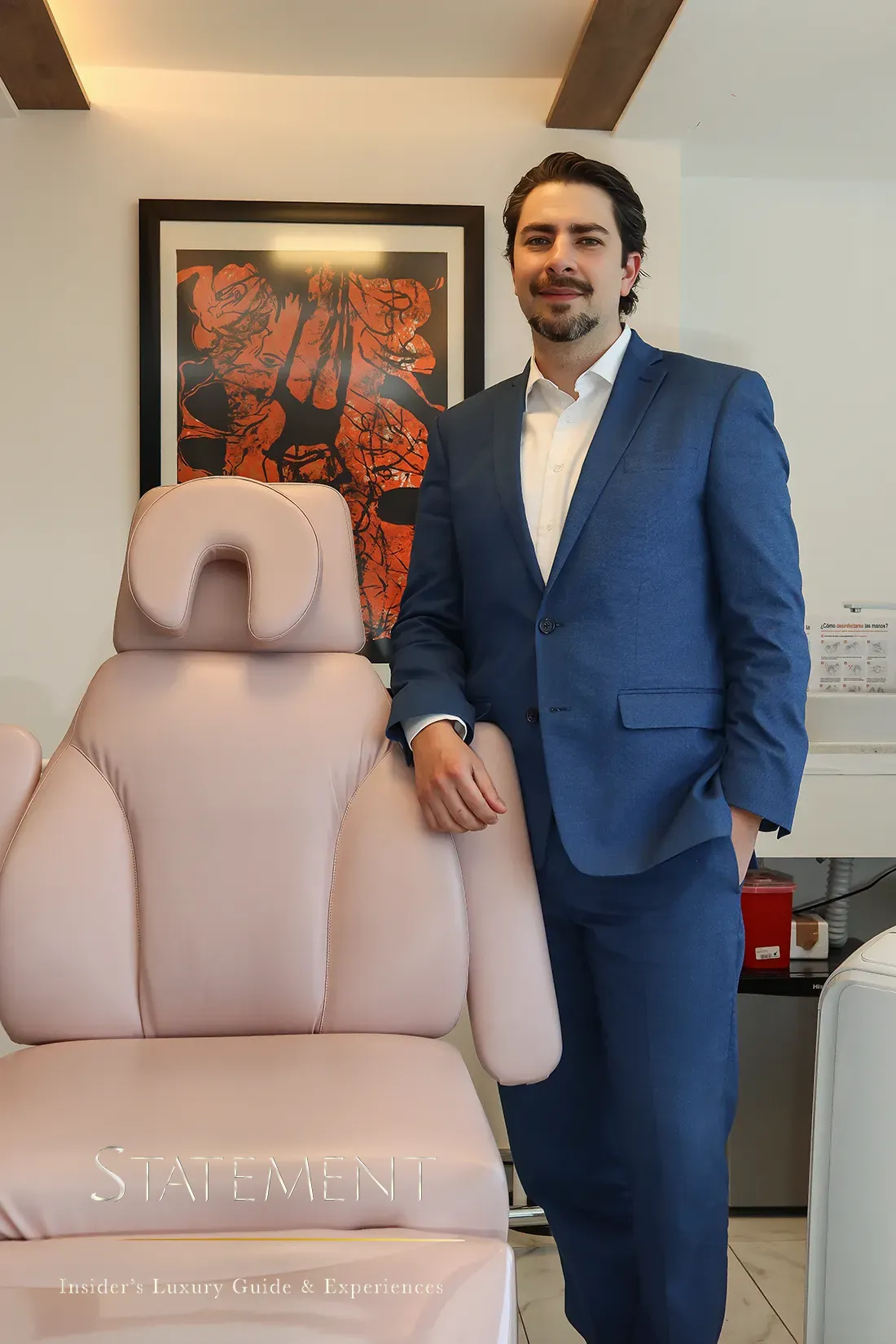

What factors do you consider when designing a treatment plan that respects each patient’s identity and needs?
We consider age, gender and lifestyle. We also review medical history and, when necessary, request medical tests. Based on that information, we develop an individual plan.
There is a growing focus on stimulation and strengthening: supporting the body’s own processes, such as collagen production, and working the facial muscles. A maintenance plan can follow that stage. These treatments may take time; they don’t always produce an immediate change.
Fillers, for example, can offer faster changes, but they don’t serve the same purpose as stimulation treatments. The choice depends on each patient’s goals and assessment.
If we think about aging well beyond appearance, which habits have the greatest impact on health and quality of life?
Getting enough sleep, eating as well as possible and maintaining a basic skincare routine you can actually stick to. Sunscreen is one of those habits: many people apply it in the morning and forget to reapply it during the day.
It’s also important to address anxiety and stress. Emotional well-being affects how we live and care for our health. For the skin, you can start with simple measures, such as a facial cleansing treatment, and then consider other options based on your needs.
Is the future of aesthetic medicine about helping us look younger, or about changing the way we understand aging?
I think it’s about accompanying you through different stages of life so you can feel your best today. “Rejuvenation” may be an unrealistic word because we can’t turn back time. The goal should be for someone in their 40s, 50s or 60s to feel good about themselves.
Dr. Fernando Cherizola Statements
Beauty: Youth.
Time: The new luxury.
Science: Perfection.
Longevity: The goal.
images
Statement – Alan González S. ©