Reading Time: 3 min.
Sweet, juicy, naturally sophisticated and far more nutritionally interesting than most of us realize, California Pears have plenty of reasons to earn a permanent place on our table.
Some foods have been part of our lives for so long that, precisely because they feel familiar, we stop paying attention to them. Pears are one of them.
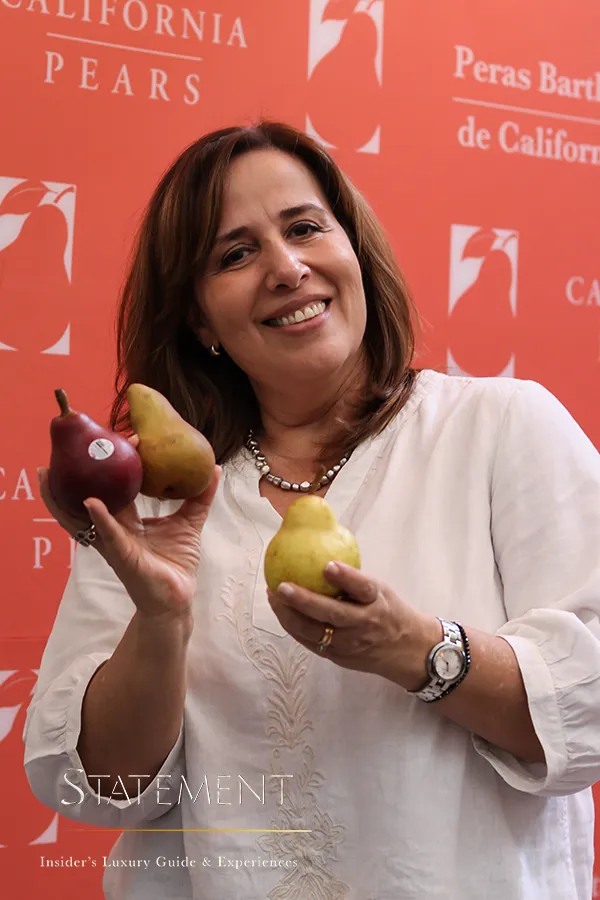
This week, Statement had the opportunity to rediscover this fruit during a breakfast dedicated to California Pears, where one thing became particularly clear: behind this seemingly simple fruit lies an unexpected combination of flavor, nutrition and remarkable culinary versatility.
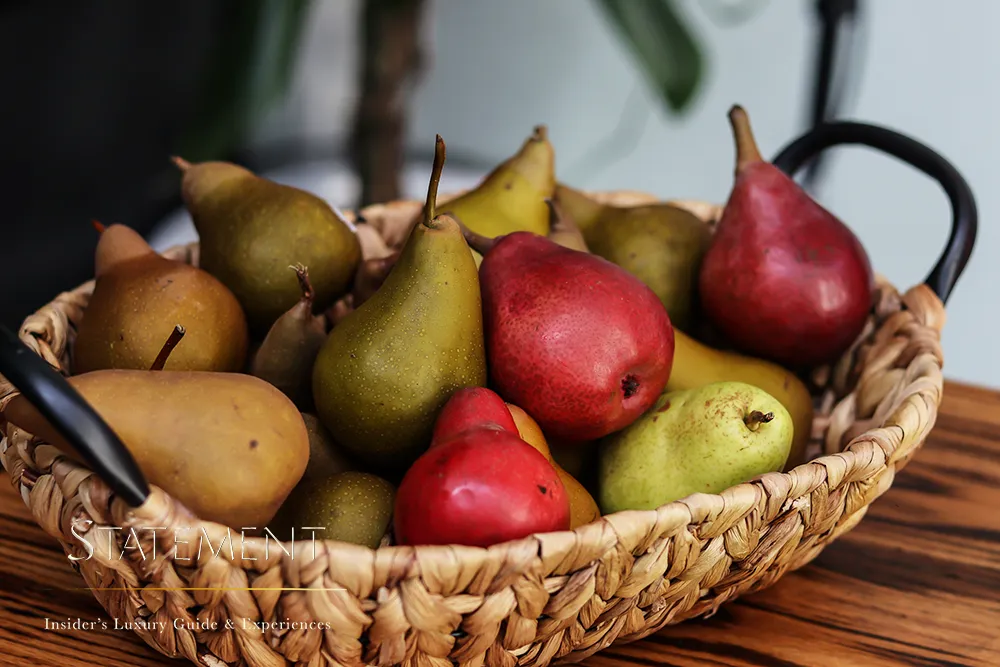
A pear can be the easiest snack to grab from the fruit bowl, but it can also find its way into a salad, complement a cheese board, become the star of a savory dish, or be roasted, baked, poached and transformed into dessert.
And nutritionally, it has quite a lot to offer.
Here are five very good reasons to eat more pears.
1. They Are a Delicious Way to Get More Fiber
This may be one of the pear’s most underrated qualities.
Pears are a good source of dietary fiber, including both soluble and insoluble fiber, which perform different functions within the digestive system. Eating enough fiber supports healthy digestion and can contribute to a healthy gut microbiome.
Fiber has another advantage: it helps us feel satisfied for longer, making a pear an especially convenient snack between meals.
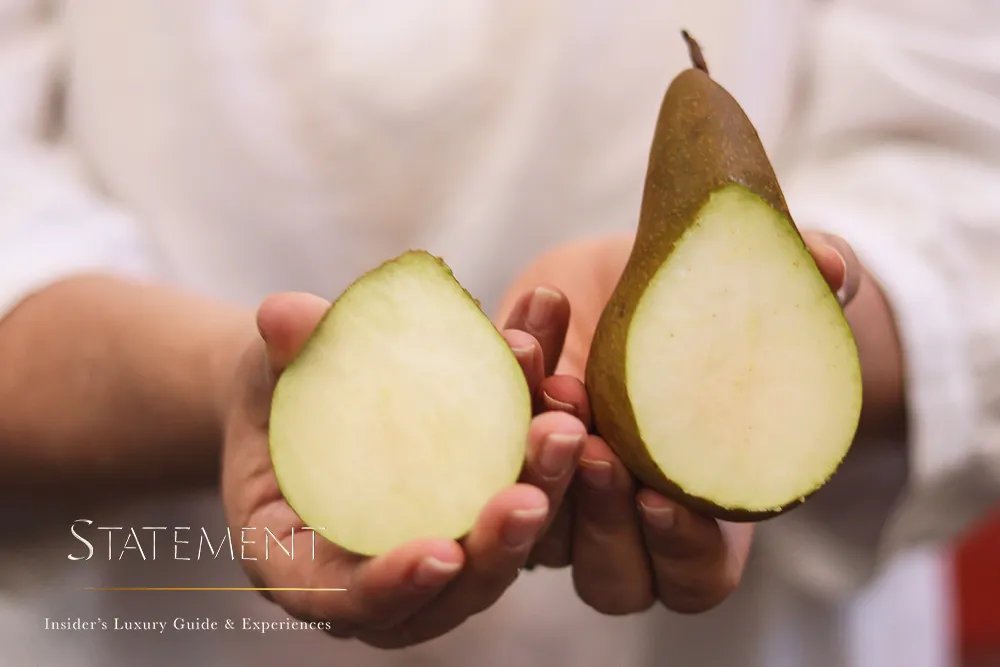
One important detail? Keep the skin on, after washing the fruit properly. Much of the pear’s fiber and beneficial plant compounds are found in or close to its skin.
2. They Taste Like Dessert Without Having to Be Dessert
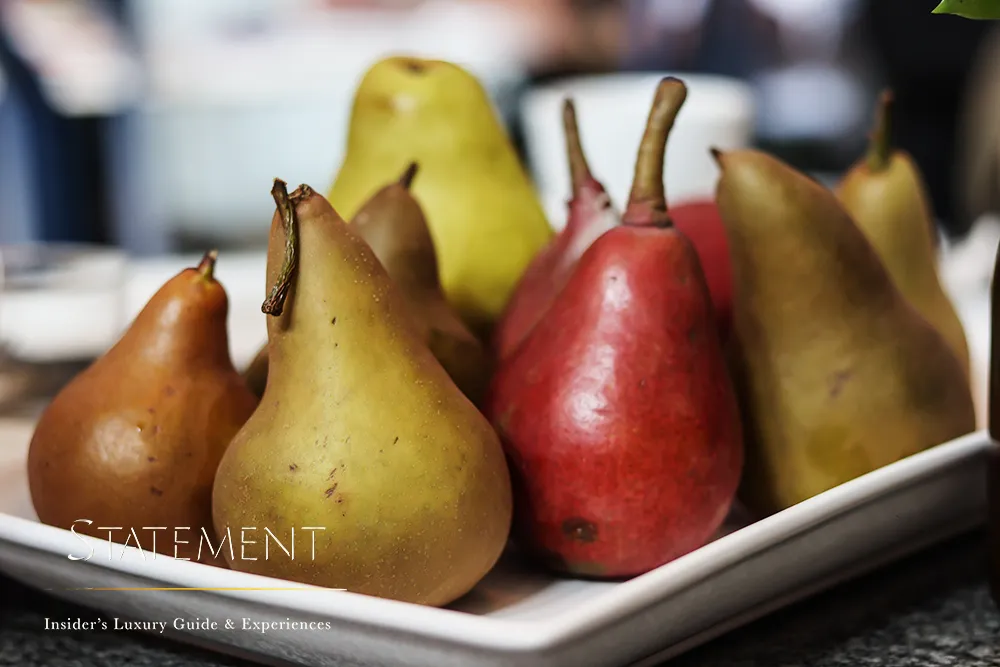
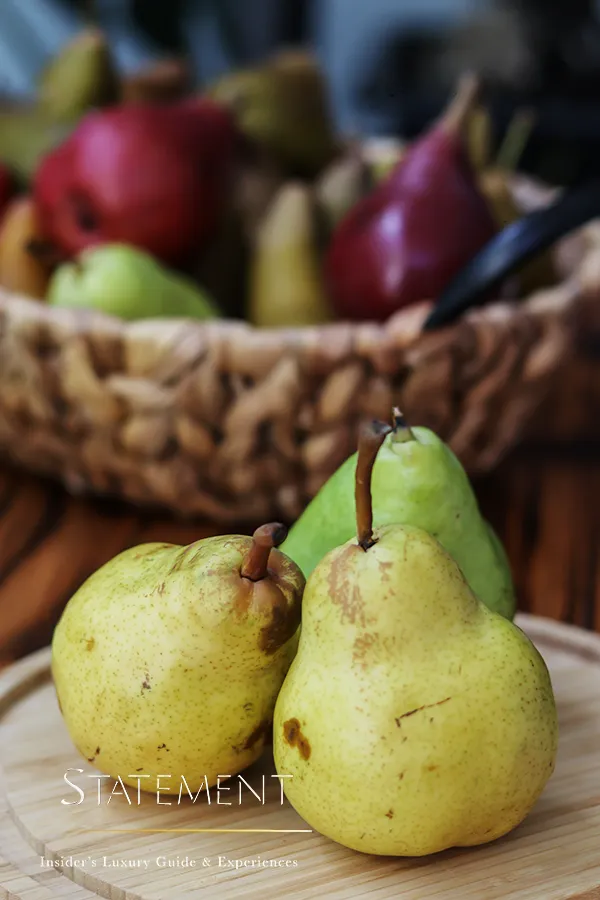
A ripe Bartlett pear is intensely sweet, fragrant and wonderfully juicy.
That is part of its charm: it can satisfy a craving for something sweet while still being a whole fruit.
Pears also provide vitamin C, potassium and different antioxidant plant compounds. Their combination of water and fiber makes them particularly satisfying when we want something refreshing and naturally sweet without necessarily reaching for a conventional dessert.
Their natural sweetness can even be used to reduce the amount of added sugar needed in certain recipes.

3. They Are Particularly Gut-Friendly
This is where pears become especially interesting.
Their fiber content supports normal intestinal function while also providing nourishment for beneficial bacteria living within the gut microbiome.
Pears naturally contain pectin, a type of soluble fiber that can be fermented by gut bacteria.
In other words, behind that delicate, juicy texture is a fruit that fits remarkably well into an everyday, fiber-rich diet.

4. They Provide Antioxidants and Important Micronutrients
There is more to pears than fiber.
They provide vitamin C along with various phytonutrients and antioxidants, particularly when eaten with the skin.
These compounds are part of the reason diets rich in fruits and vegetables are associated with overall health. Vitamin C also participates in numerous processes in the body, including normal immune function and collagen formation.
There is no need to turn the pear into the latest so-called “superfood.” Its appeal is much simpler than that: it is nutritious, accessible and exceptionally easy to incorporate into everyday eating.
5. Few Fruits Are This Versatile
And this might be our favorite reason.
Pears move effortlessly between sweet and savory.
Pair them with blue cheese, Brie or goat cheese; walnuts and almonds; leafy greens; prosciutto; honey; spices; chocolate; yogurt or oatmeal.
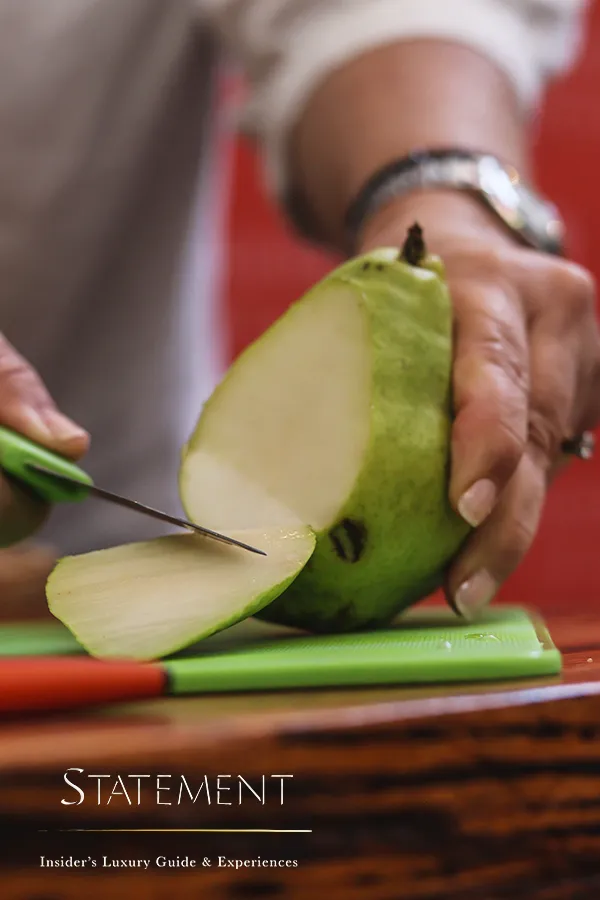
They can be baked, roasted or poached, incorporated into salads, tarts and chutneys, or simply sliced and served fresh.
Different varieties also offer different culinary possibilities. Bartlett pears, known for their sweetness and juiciness, are wonderful eaten fresh and work beautifully in salads and cooked preparations. Bosc pears, with their firmer texture and distinctive aroma, are particularly well suited for baking and poaching.
In other words, if we think a pear is simply something to eat straight from the fruit bowl, we have barely begun to explore it.


A Few Things You Probably Didn’t Know About California Pears
They don’t really ripen on the tree. Bartlett pears are harvested while still green and firm and continue ripening afterward.
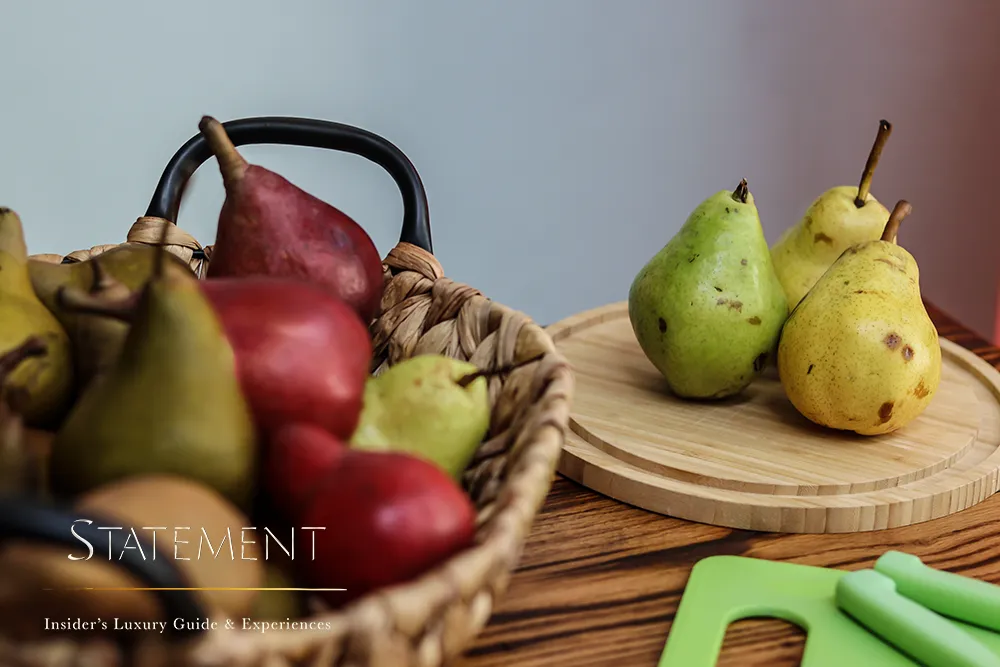
They change color to tell us they’re ready. A Bartlett gradually changes from bright green to golden yellow as it ripens, becoming softer, sweeter and juicier along the way.
Your refrigerator works like a pause button. Once a pear has reached the ripeness you prefer, refrigeration helps slow down the process and extend the time you have to enjoy it.
California has a genuine pear-growing culture. Much of the state’s pear production comes from agricultural communities in Northern California, with farming families that have cultivated pear orchards for generations.
They are harvested by hand. California Bartlett pears are hand-picked during their season.
Not every pear changes color when it ripens. Bosc pears, for example, retain their characteristic brown skin, so checking for ripeness requires paying attention to the fruit’s texture, particularly around the neck.
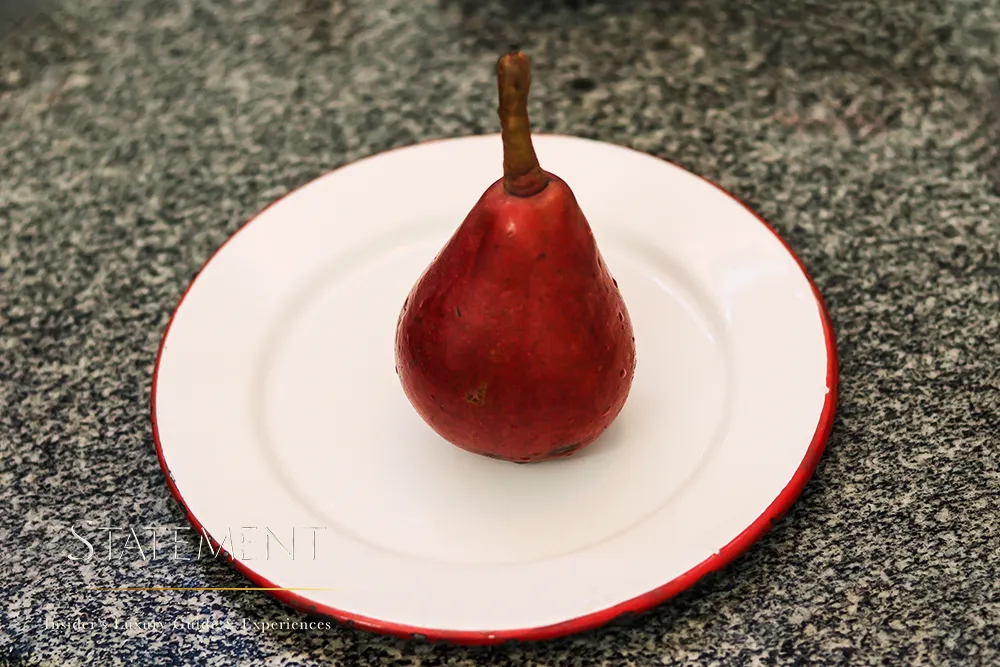
There are far more varieties than most of us recognize. Bartlett, Bosc, Seckel, Comice, Red Pear, Forelle and Sunsprite are among the varieties grown in California, each offering different textures, aromas and culinary possibilities.
The Simple Trick for Knowing When a Pear Is Ready
With Bartlett pears, it is particularly easy: let them ripen at room temperature.
As they change from green to yellow and begin to soften, they become increasingly sweet, aromatic and juicy.
Once they reach your ideal stage of ripeness, move them into the refrigerator to help preserve that perfect moment for a little longer.
Perhaps that is part of the charm of this fruit, too: you have to know how to wait for it.
An Everyday Fruit Worth a Second Look
At a time when we are constantly searching for exotic ingredients, supplements and the next nutritional “superfood,” there is something refreshing about discovering that some extraordinary foods have been sitting in front of us all along.
The pear is one of them.
Nutritious, naturally rich in fiber, sweet, refreshing and versatile enough to move from breakfast to salad, from a cheese board to a main course and all the way to dessert.
Our morning with California Pears offered a delicious reminder: eating well does not necessarily have to be complicated.
Sometimes, it can be as simple — and as delicious — as waiting for a pear to turn from green to gold.


Follow our networks on Statement.
images
Statement – Alan González S. ©