Reading Time: 6 min.
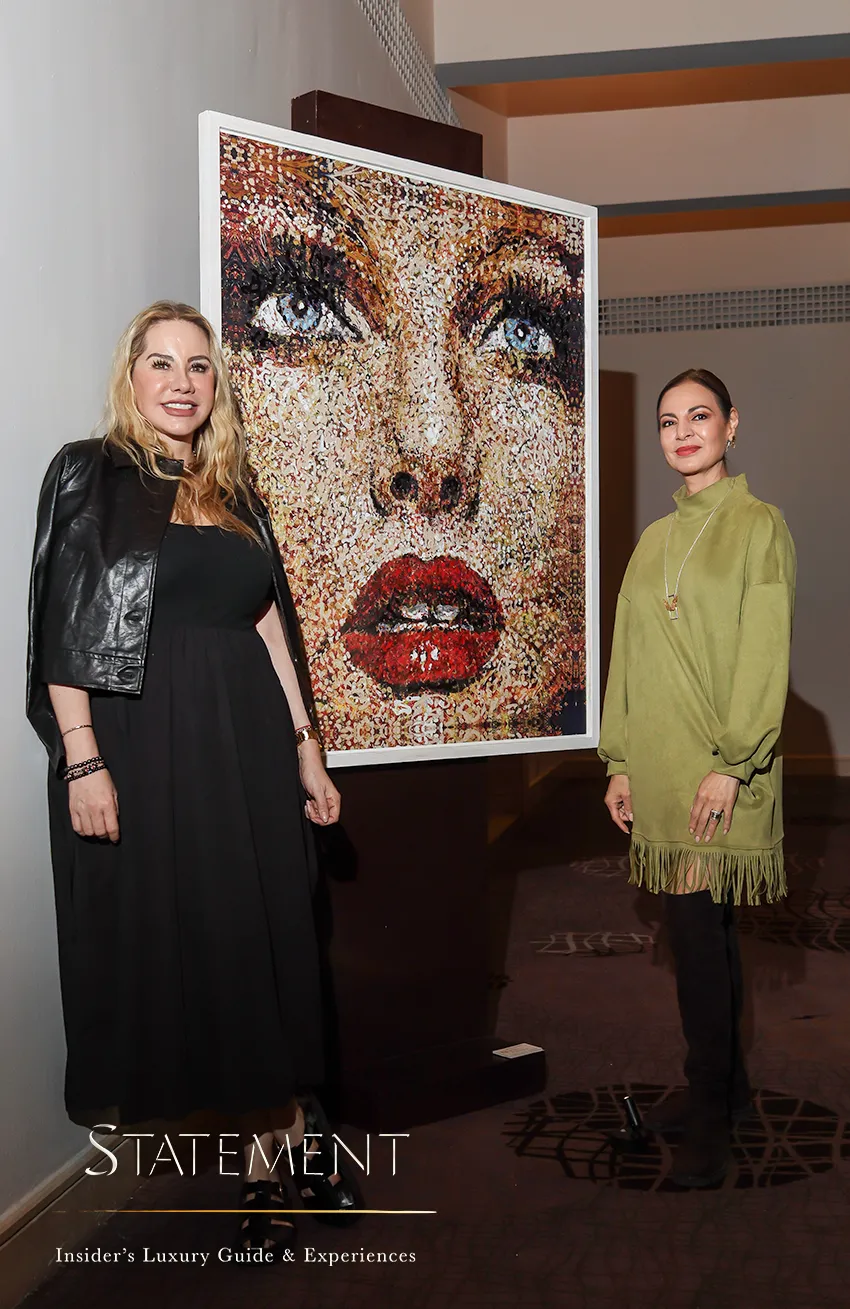
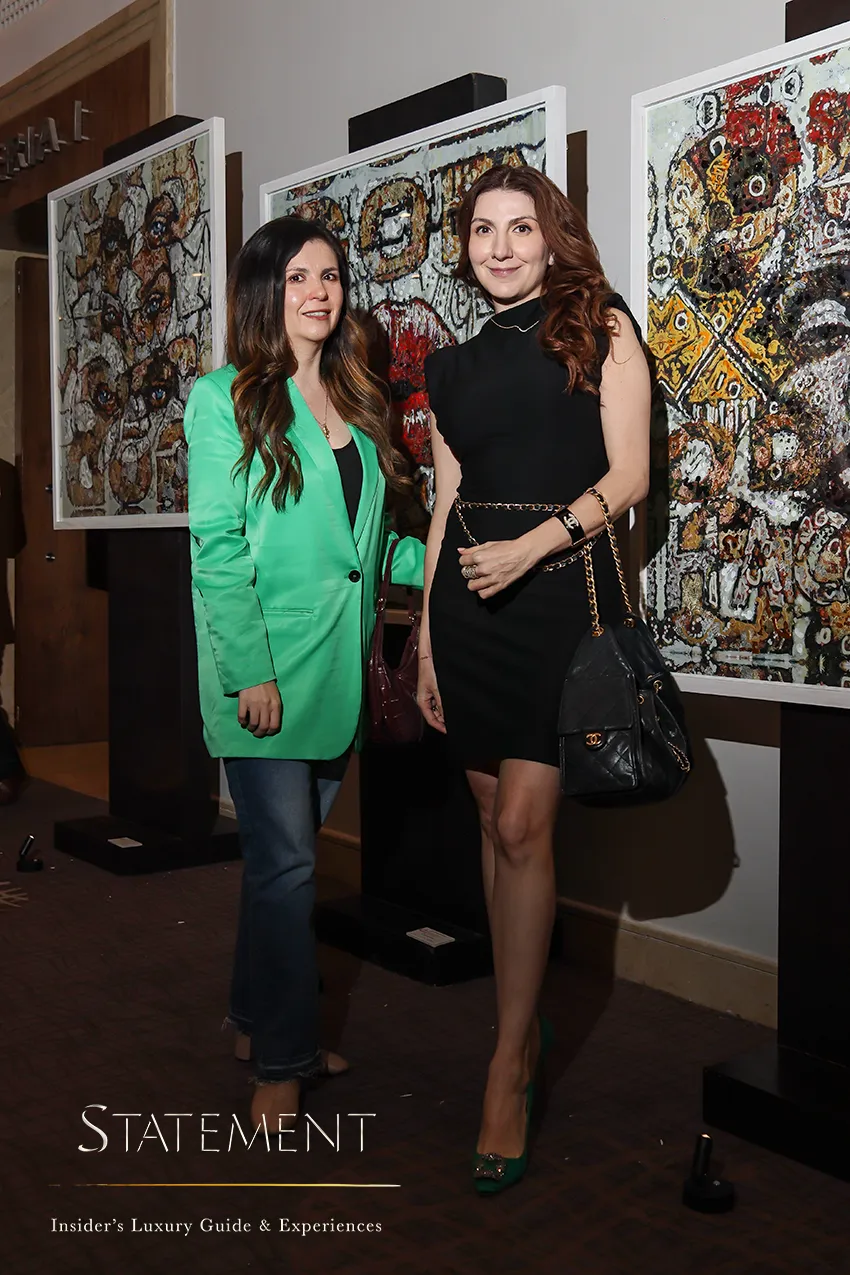
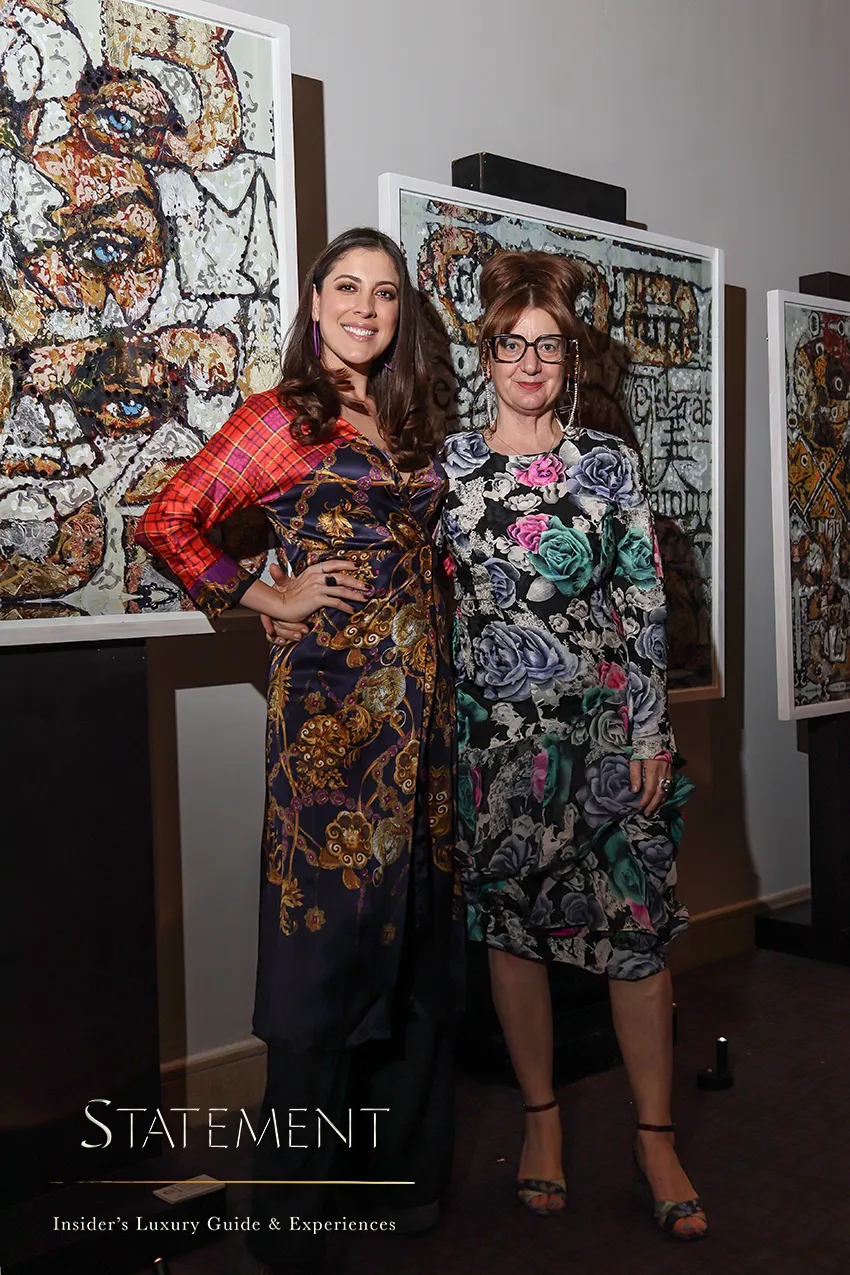
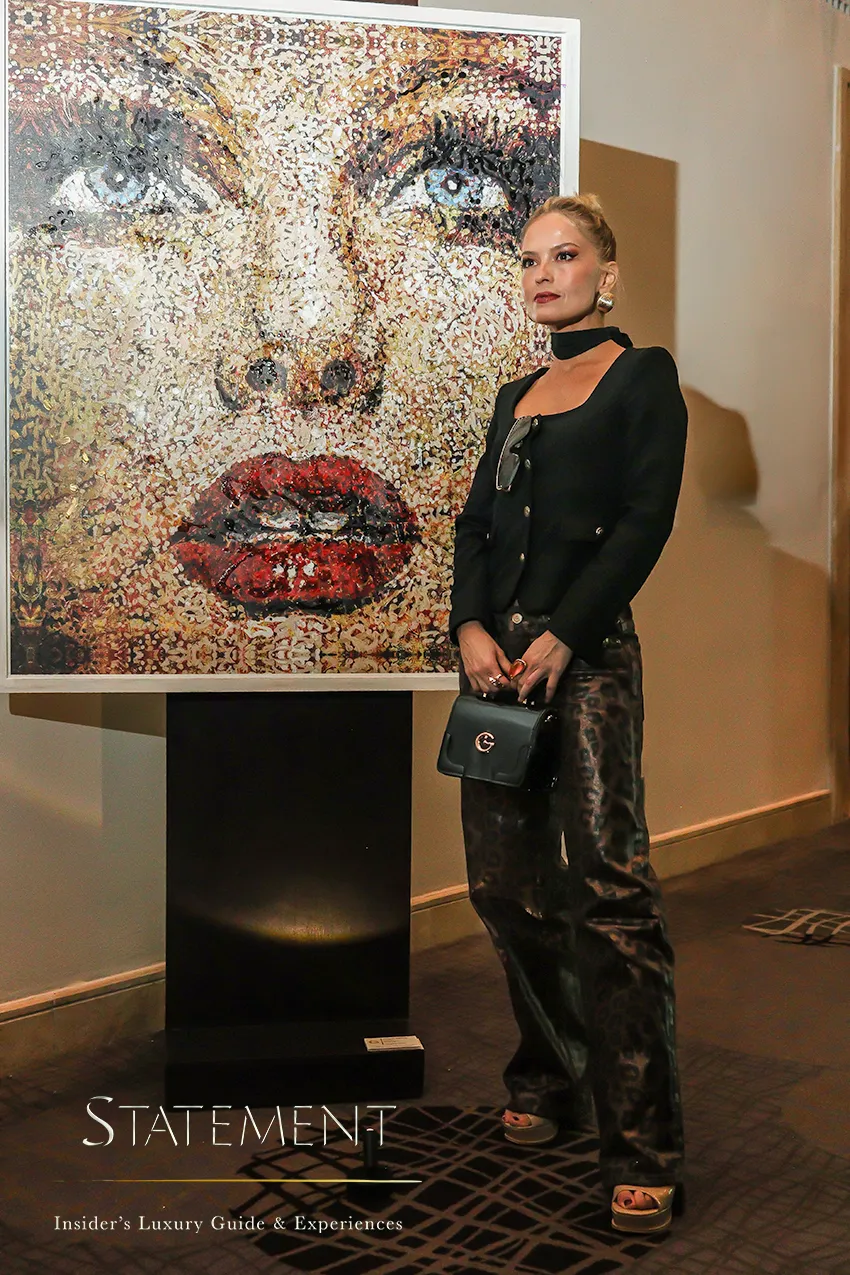
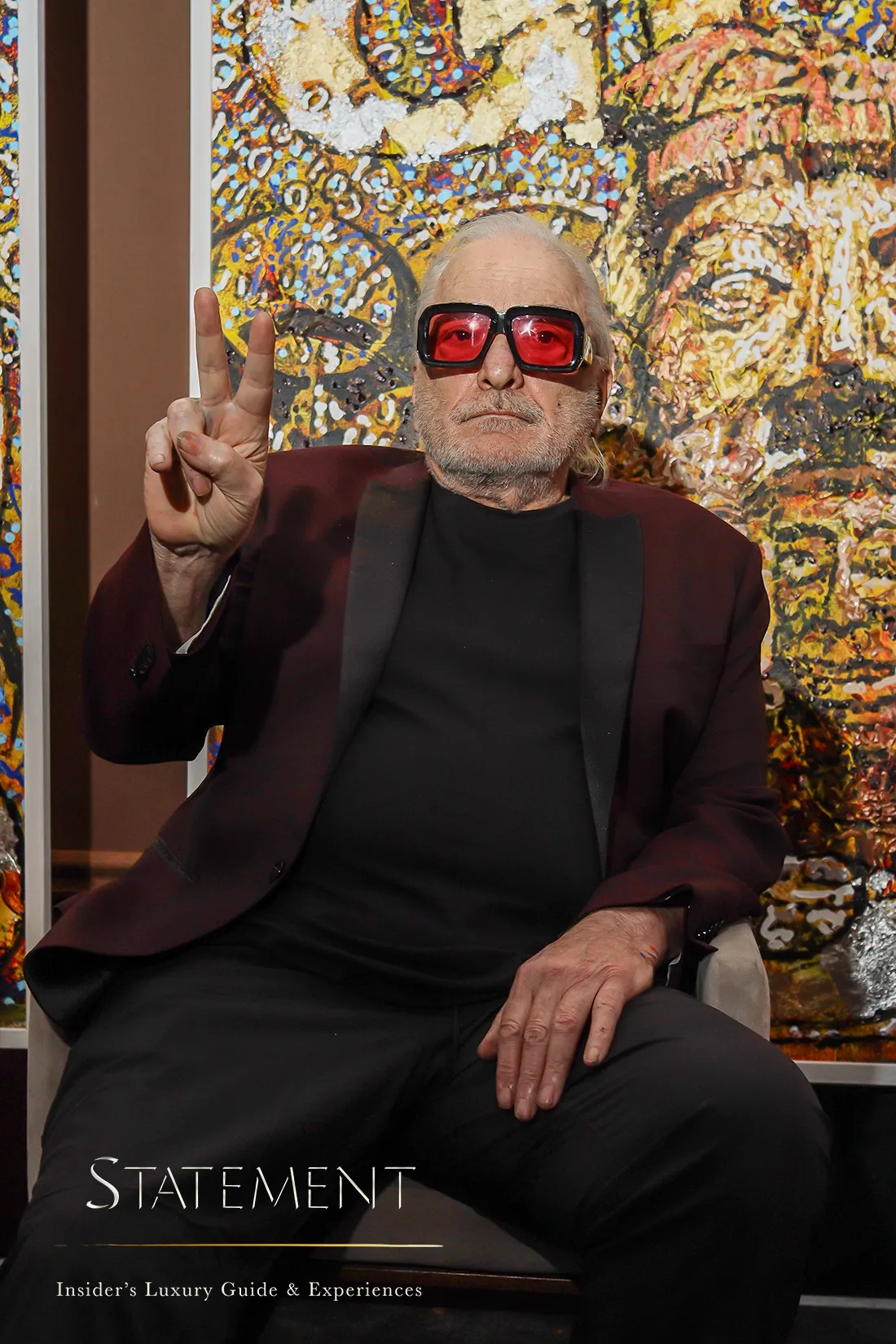
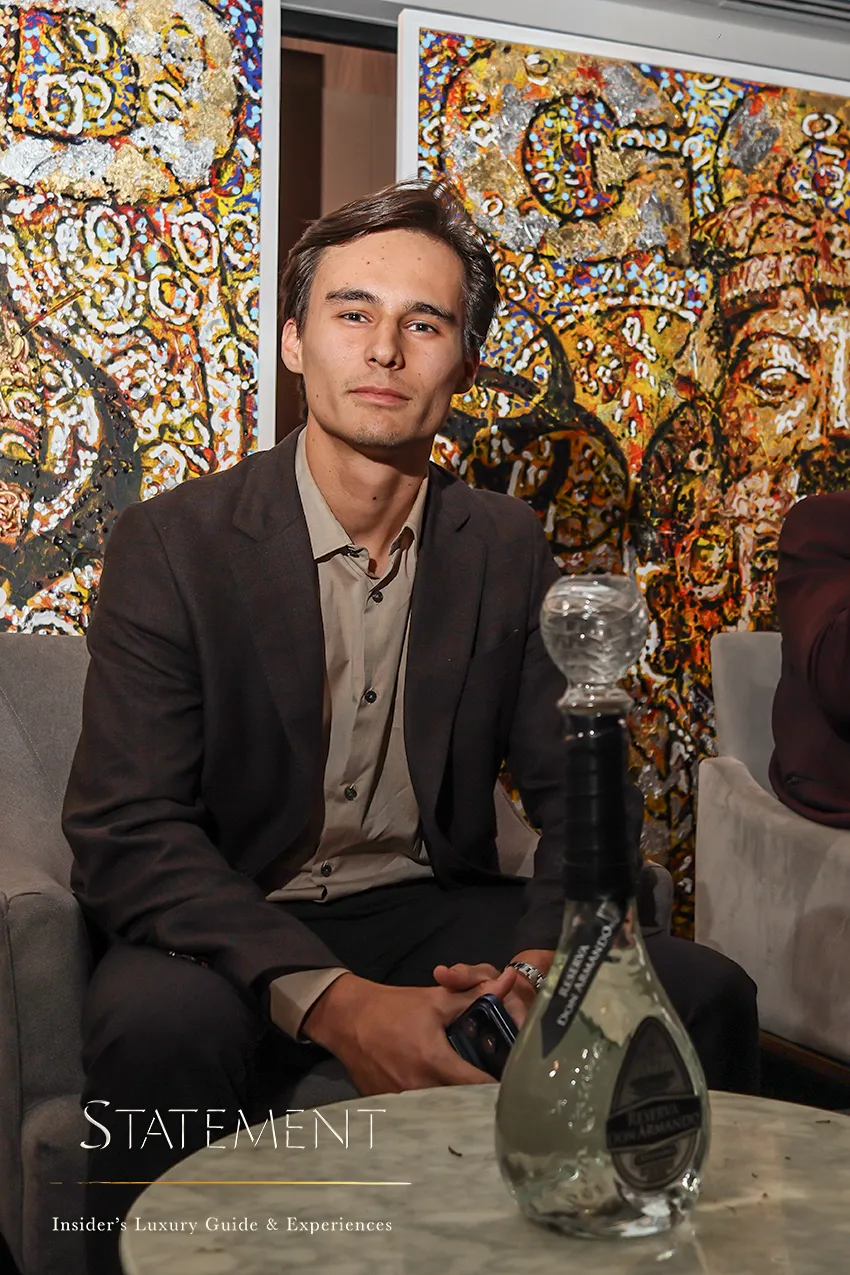
The American artist presented three paintings inspired by Mexica and Maya deities as part of The God Series. During the event, Giovanni DeCunto discussed his artistic influences, while Grupo Corona revealed the first details of a forthcoming limited-edition Tequila Reserva Don Armando project that will bring his visual language to an extra añejo tequila bottle.
The first painting Giovanni DeCunto ever sold was a copy of a Rembrandt. He was twelve years old and had a newspaper delivery route, but he had already discovered a different way to make a living. Decades later, that early fascination with Baroque painting remains present in a body of work where color, movement, and material coexist with references from different periods of art history.
His latest encounter with Mexico begins with another question: What makes a figure become a god?
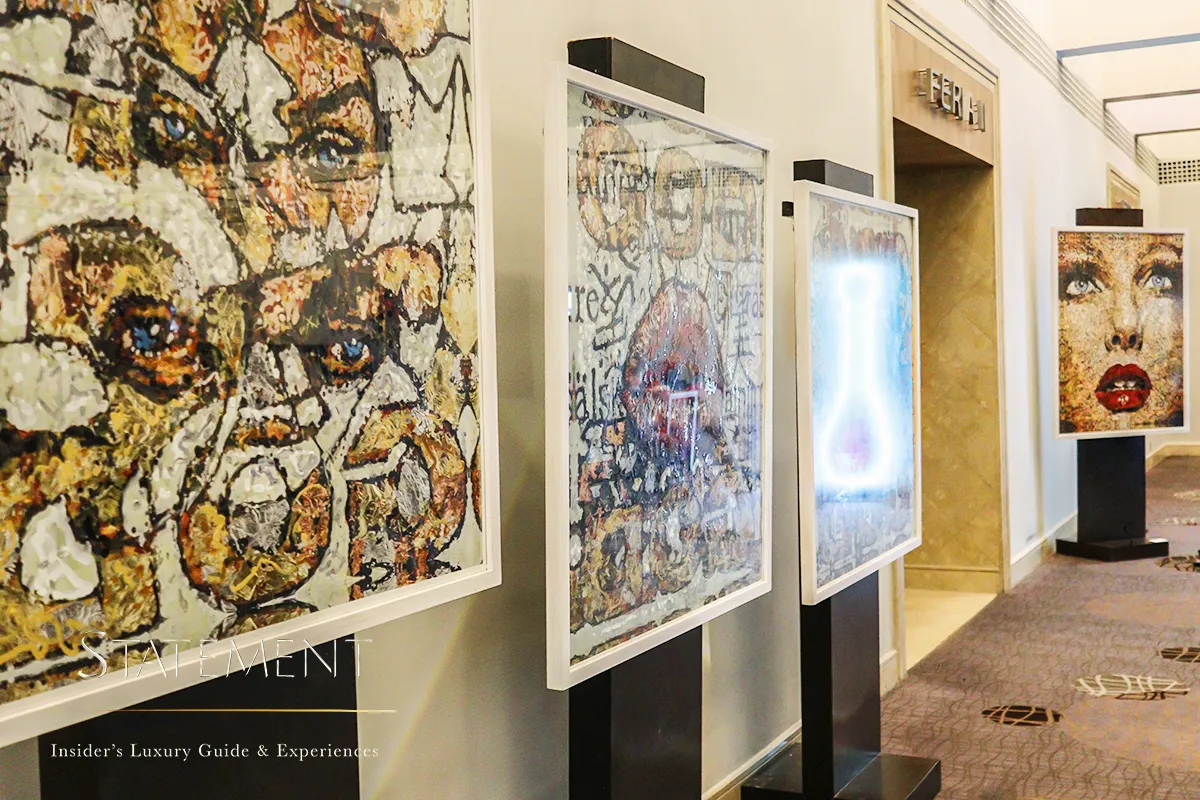
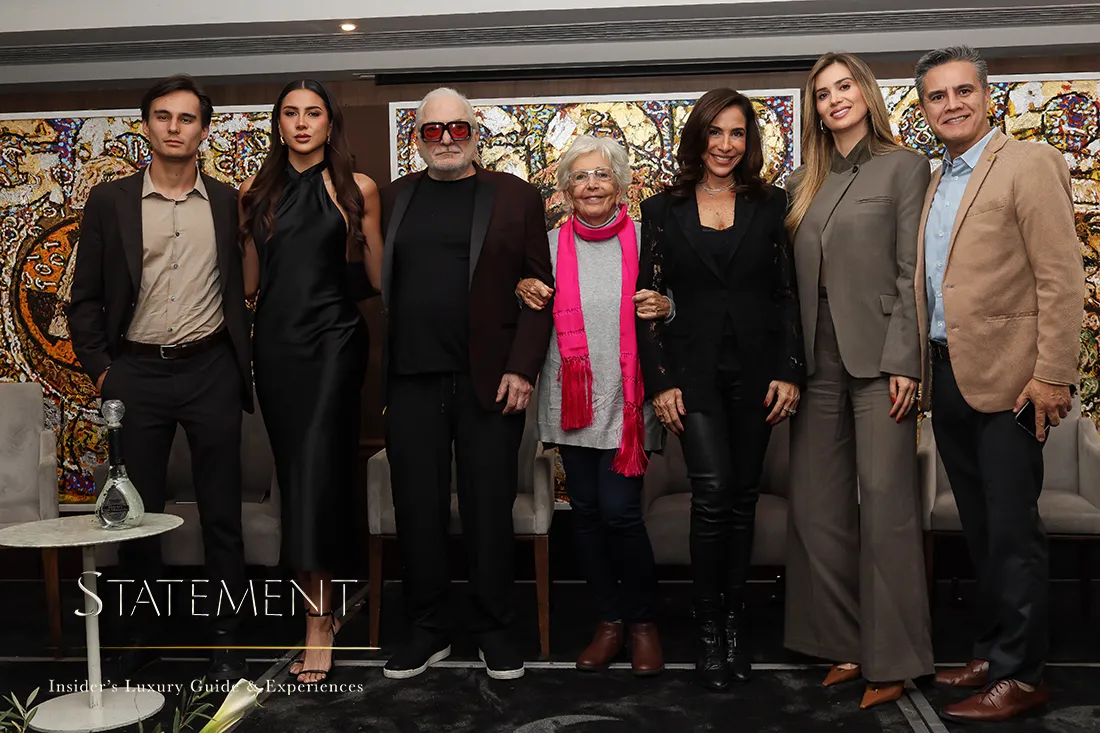
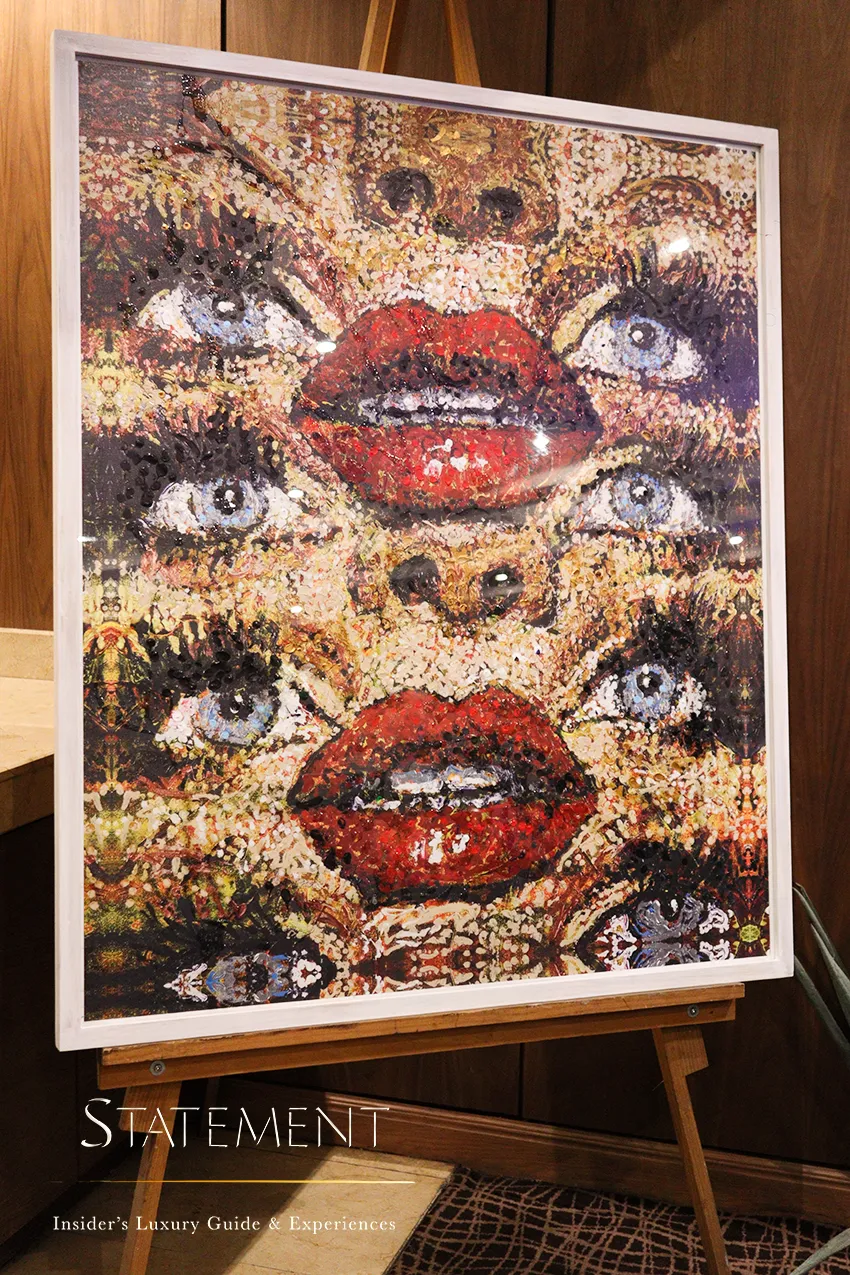
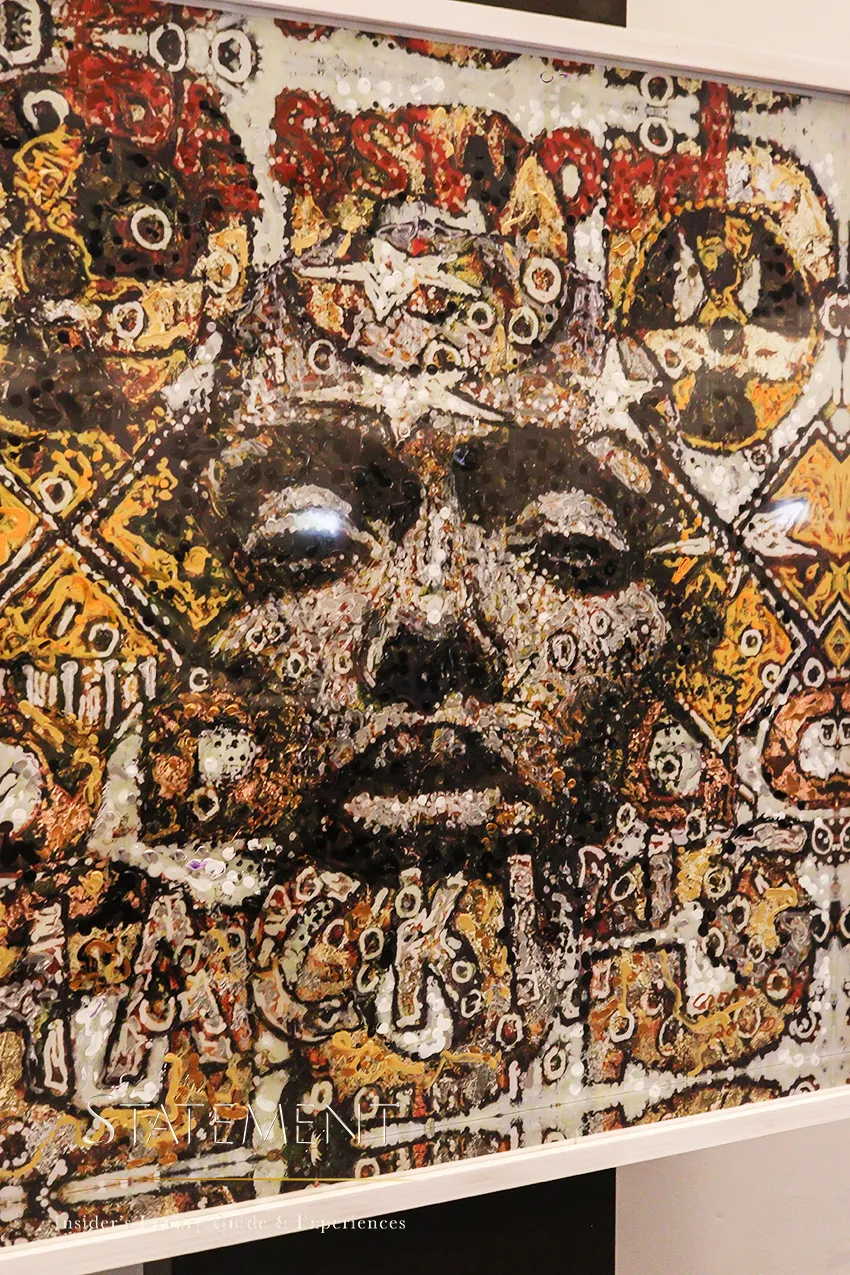
The answer takes shape in The God Series: Chapter One, Mexico, a project that reinterprets deities from Mexica and Maya cultures through three paintings created in his Boston studio. Their presentation in Mexico City brought the artist together with figures from the art world and representatives of Grupo Corona, the Mexican company behind Tequila Reserva Don Armando, in a collaboration that will continue to evolve over the coming months.
Statement attended the presentation and spoke with several participants to explore the different interpretations of an artistic project connecting Mesoamerica’s past with contemporary art.
The God Series: Mexico’s Ancient Gods Seen from Boston
The God Series is a collection of 22 works through which DeCunto explores the figures, ideas, and symbols that societies have elevated to objects of reverence.
For its Mexican chapter, the artist turned to deities from ancient Mexica and Maya cultures, whose representations are connected to different ways of understanding nature, time, and the universe.
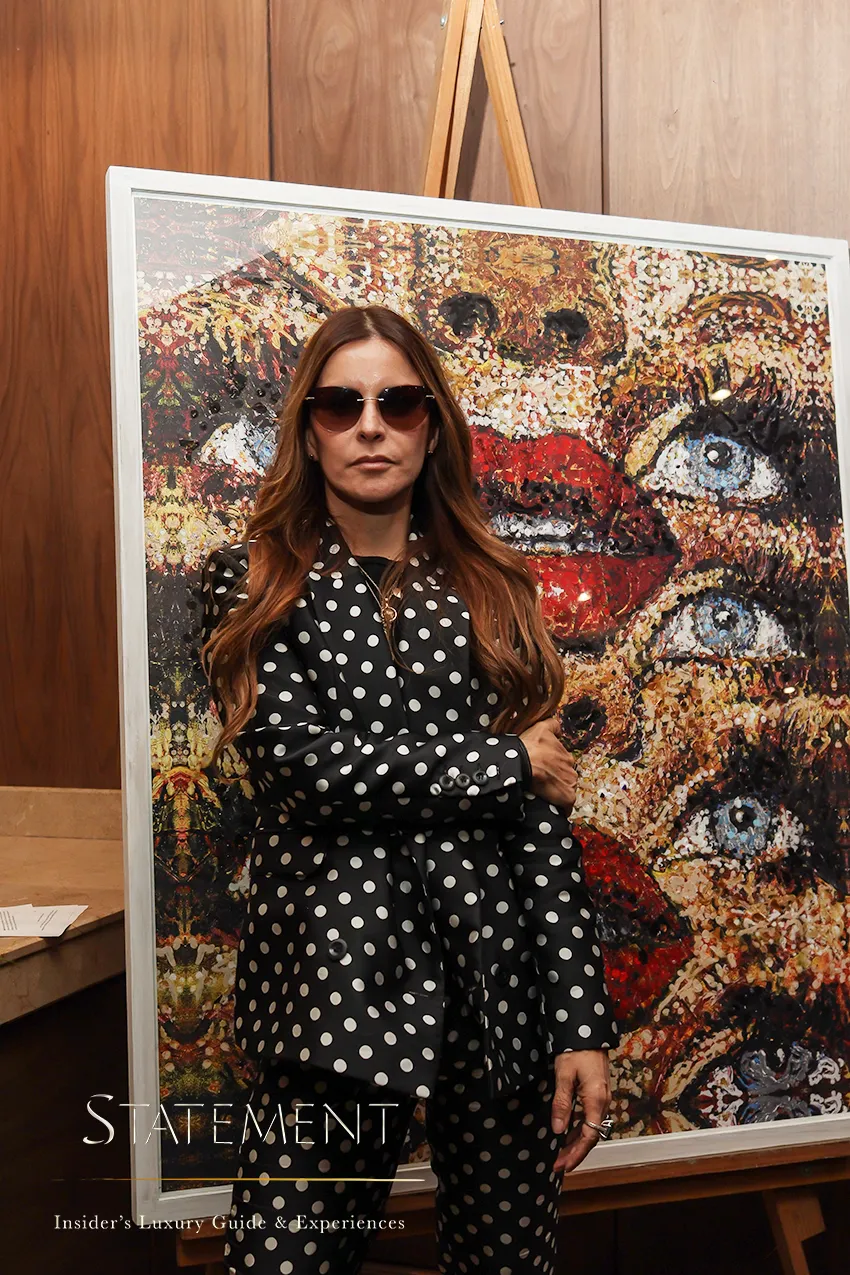
The three principal paintings were completed before DeCunto traveled to Mexico. Rather than reproducing archaeological imagery, they incorporate these cultural references into a visual language the artist has developed over more than five decades.
During the presentation, DeCunto spoke about the importance of looking to Mexico’s history to understand the future. In a world increasingly influenced by artificial intelligence, he suggested that the intellectual and cultural richness of Mexico’s past still has much to offer.
This reflection introduces an interesting tension within his work: reinterpreting ancient symbols through a form of painting that does not seek to remain in the past.
From Rembrandt to Expressionism: Giovanni DeCunto’s Artistic Language
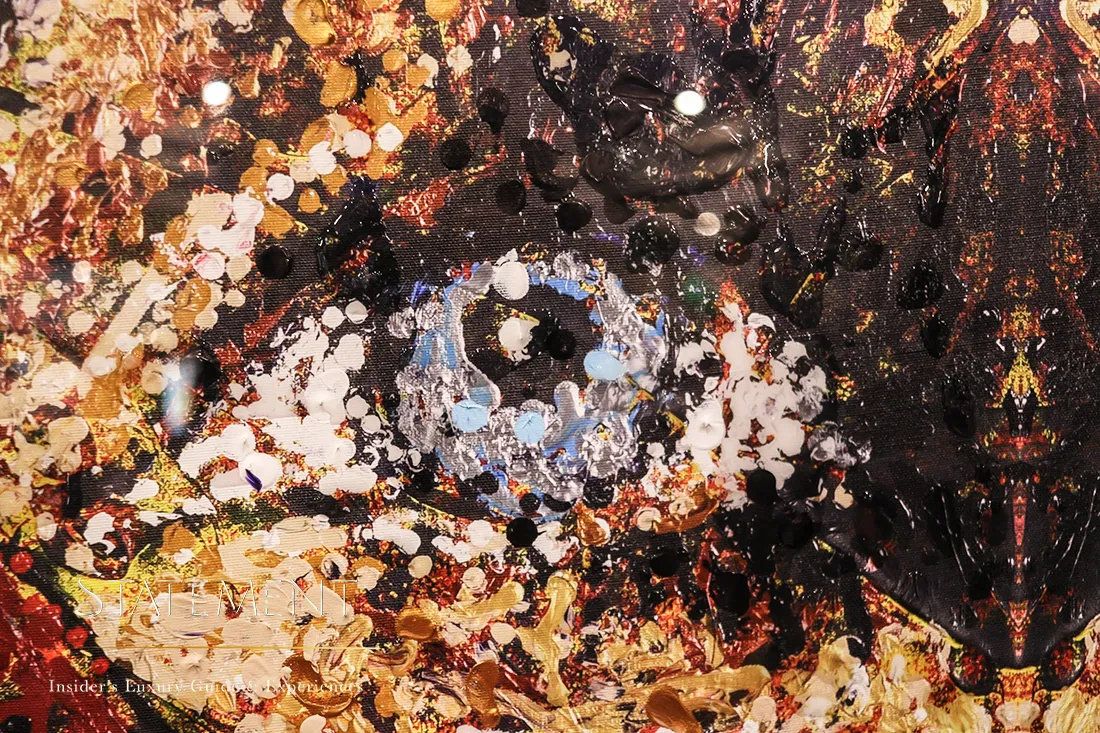
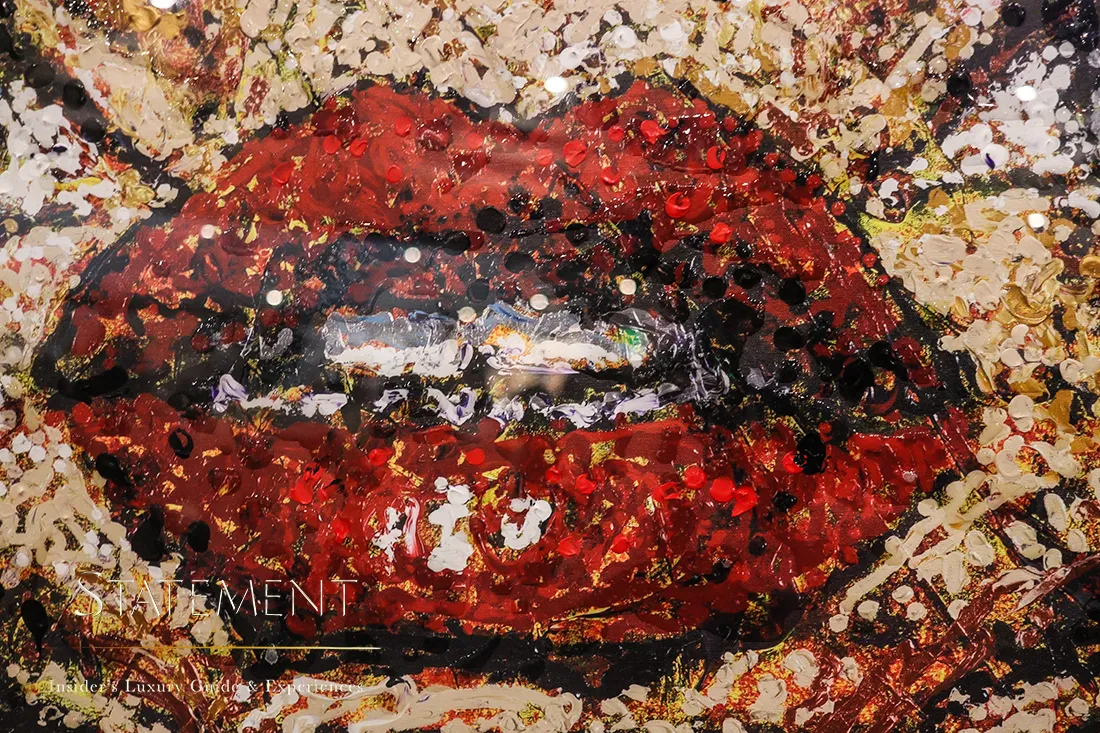
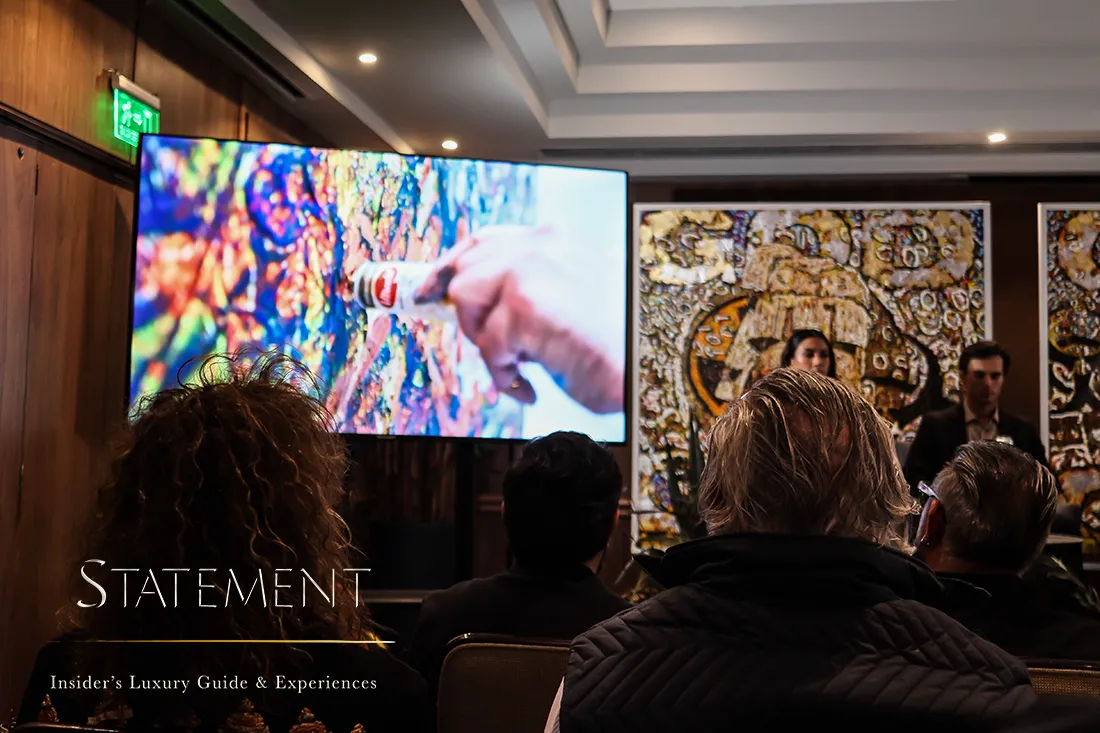
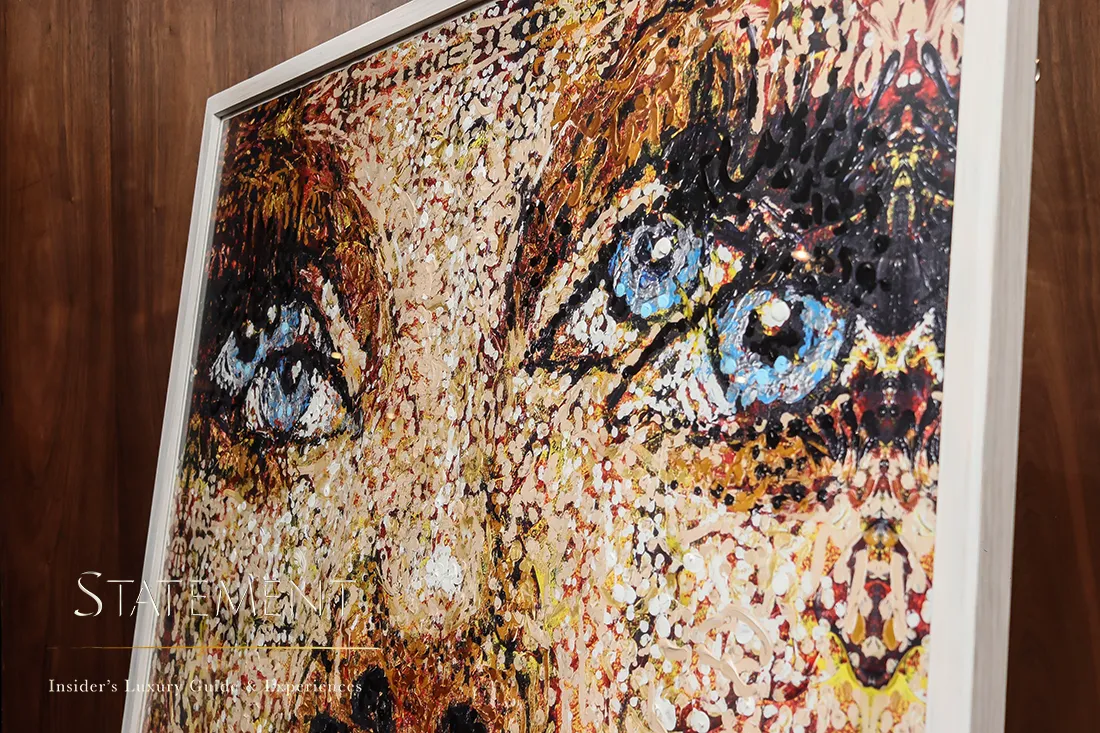
DeCunto’s technique is distinguished by his decision to work without traditional paintbrushes. He applies acrylic paint directly from the tubes and frequently uses his hands, creating compositions in which gesture and the accumulation of color become integral parts of the image.
Yet behind this apparent spontaneity lies a longstanding relationship with classical painting.
During the question-and-answer session, the artist recalled that his first sale, at the age of twelve, was a copy of a Rembrandt painting. He also mentioned the influence of Bernini and the Baroque painters, whose technical complexity continues to inform his work.
DeCunto explained that his approach involves taking the visual languages developed by different artistic movements and combining them to tell a story. Baroque painting, Impressionism, Expressionism, and Pop Art can coexist within a single composition without losing their individual identities.
Rather than concealing the creative process, he wants viewers to recognize the movement, intention, and decisions involved in making the artwork.
Originally from Lawrence, Massachusetts, DeCunto has developed an international career. According to the information presented about the artist, his work is included in collections associated with the Museum of Fine Arts, Boston, the Smithsonian, and Harvard University’s Fogg Art Museum.
A Kaleidoscope of Influences: A Perspective from Statement
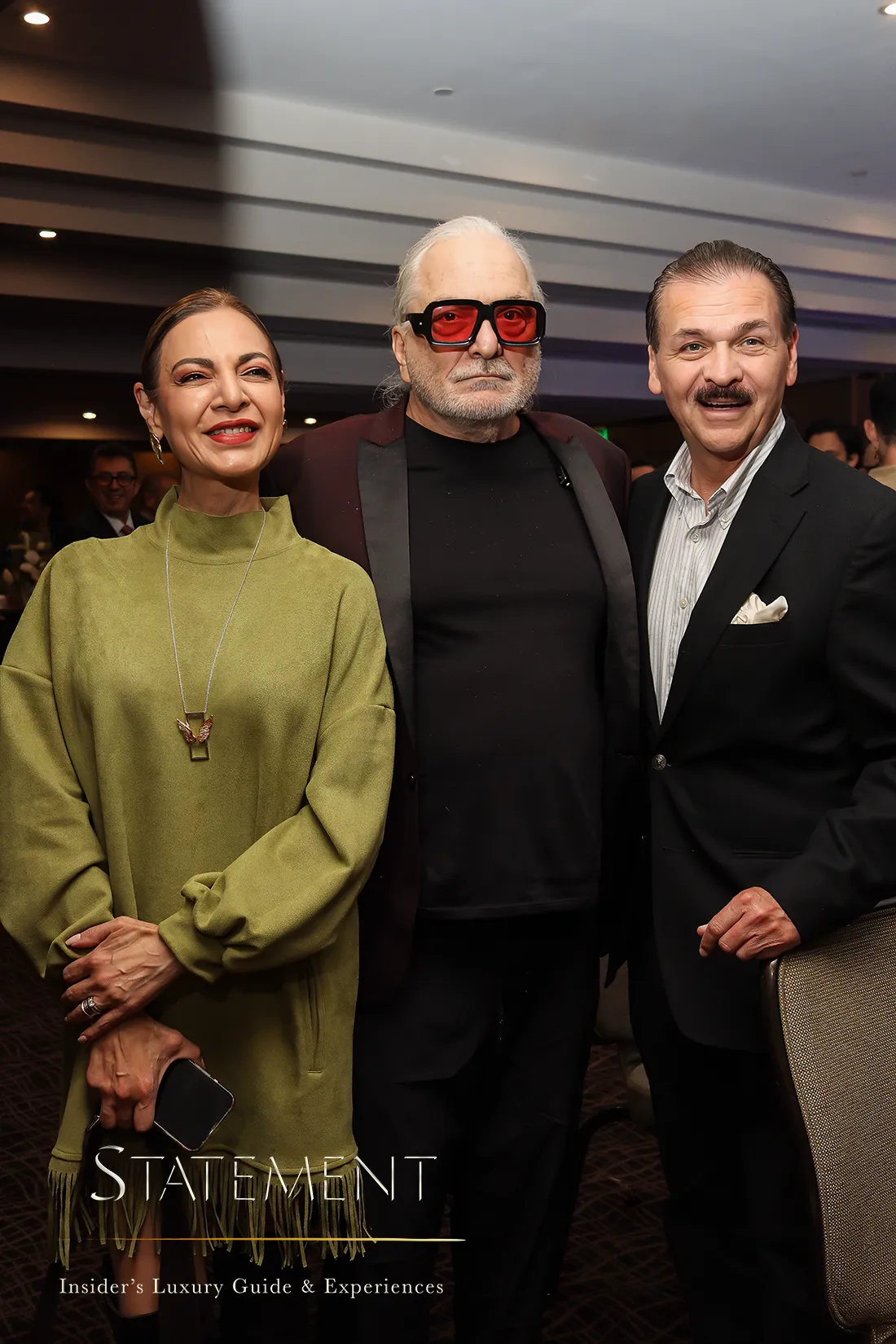
During the event, Statement spoke with Gerardo Chávez, an attendee with an interest in visual arts, about the artistic references visible in the paintings.
Chávez described the compositions as a kind of moving kaleidoscope, where influences from Pop Art, Pointillism, and Impressionism take on a contemporary expression.
For him, the value of the work lies not simply in the references themselves, but in how they are combined.
“All of this already exists, but the way he has combined it is what makes it different and unique,” he told Statement.
His observation invites viewers to look beyond the paintings’ pre-Hispanic subject matter. The images do not belong to a single artistic language: they bring together historical references and contemporary techniques in compositions that change as the viewer discovers their details.
This combination also raises questions about originality at a time when artificial intelligence-generated imagery has become part of the cultural conversation.
For Chávez, DeCunto’s individuality lies precisely in his personal interpretation of influences that other artists have also explored.
From a Boston Studio to the Agave Fields of Jalisco
The relationship between Giovanni DeCunto and Tequila Reserva Don Armando began with an experience that Adrián Corona, an executive and member of Grupo Corona’s Board of Directors, shared during the presentation.
While visiting the artist’s studio in Boston, Corona watched him paint as Tupac’s music played in the background. Acrylic paint flowed directly from the tubes, which eventually ended up scattered across the floor.
The scene reminded him of another image: the agave leaves left on the ground after a jimador harvests an agave heart.
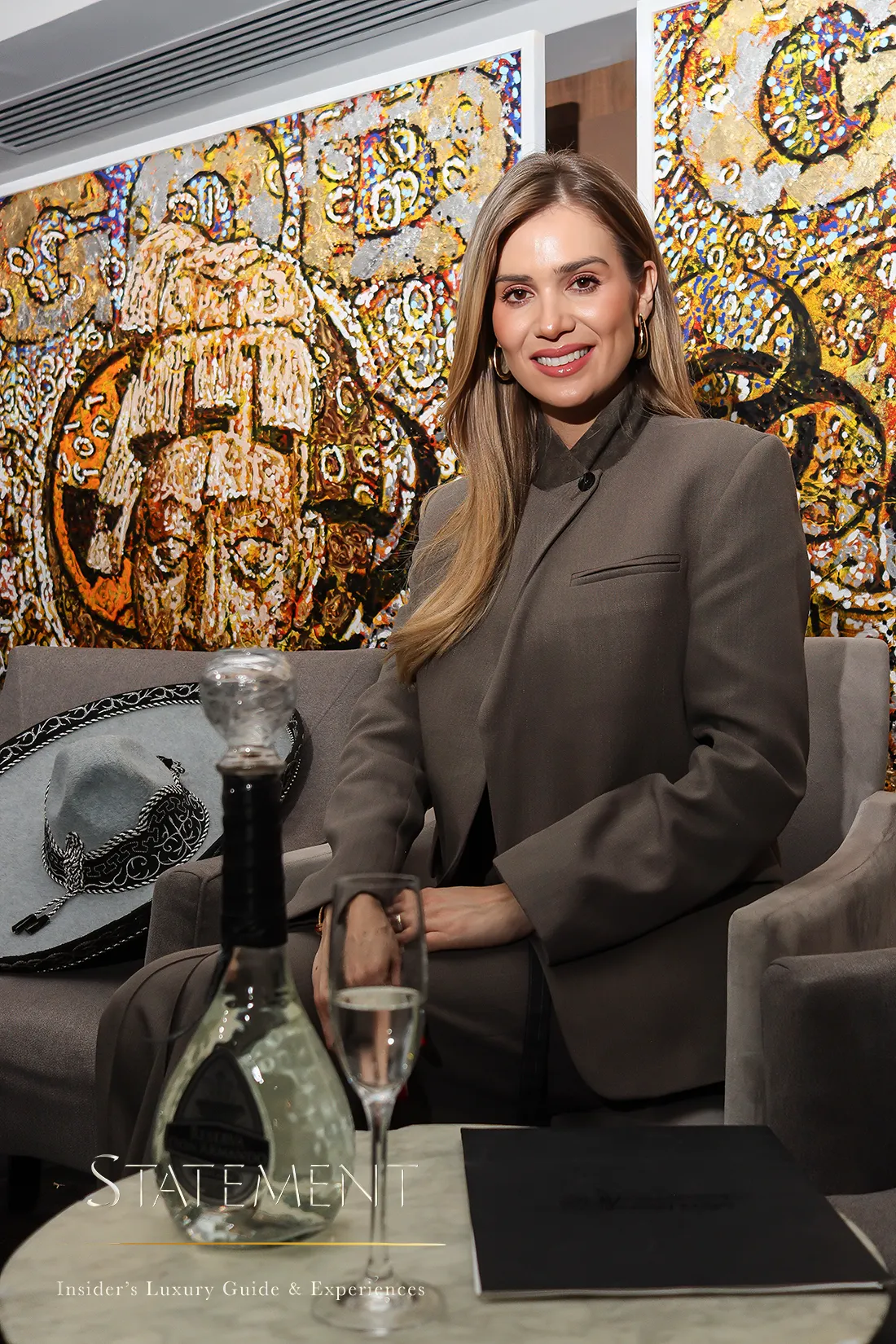
For the event, Grupo Corona brought agave hearts from Jalisco to illustrate this connection between the two processes.
In Tonaya, Jalisco, tequila production begins with agricultural work and continues through a series of transformations requiring a deep understanding of the raw material. In DeCunto’s studio, acrylic paint moves from pigment to pictorial composition.
The connection Corona proposes is not about equating the two crafts, but about recognizing the human involvement behind each result.
It is a relationship between hands, materials, and decisions that are not always visible in the finished work.
A Limited-Edition Extra Añejo Tequila Is in Development
The presentation of The God Series: Chapter One, Mexico also offered a glimpse into the next stage of the collaboration.
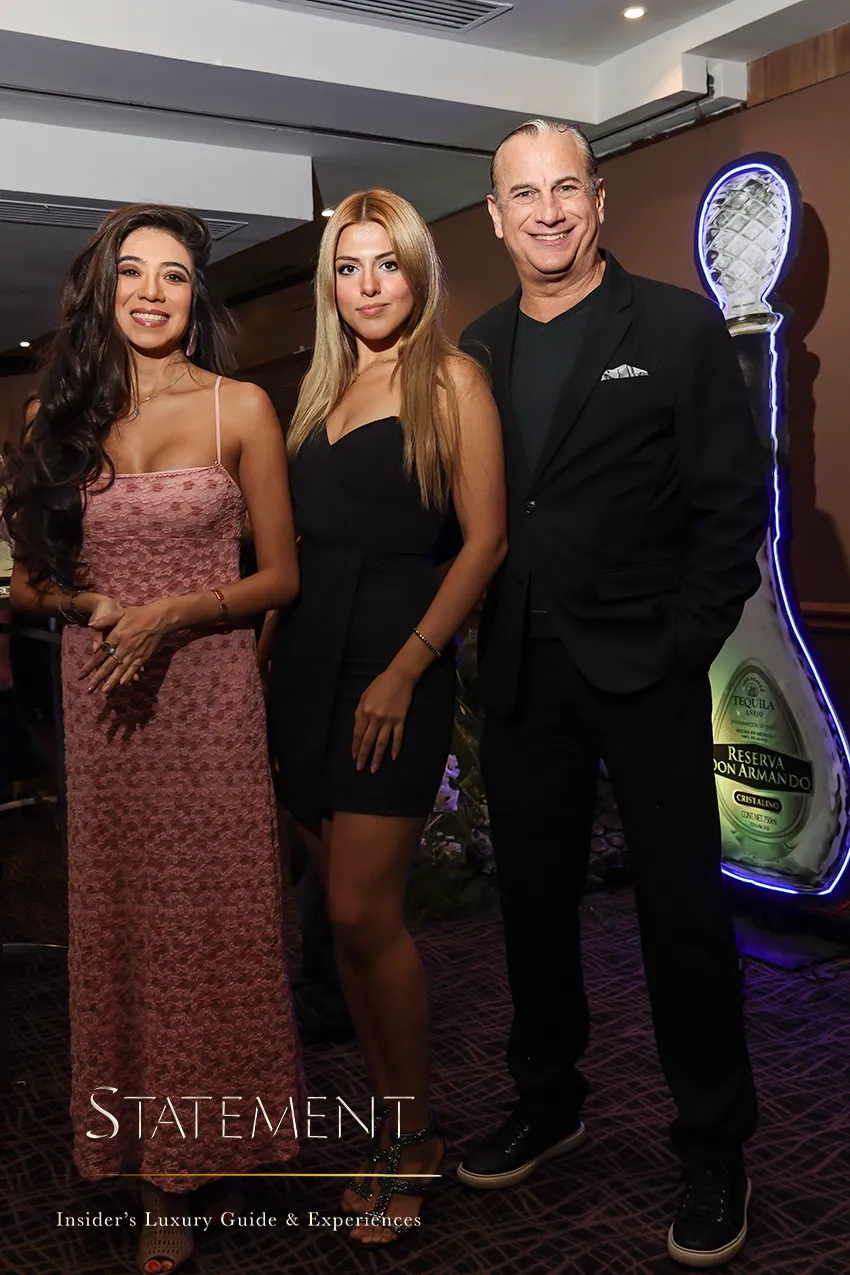
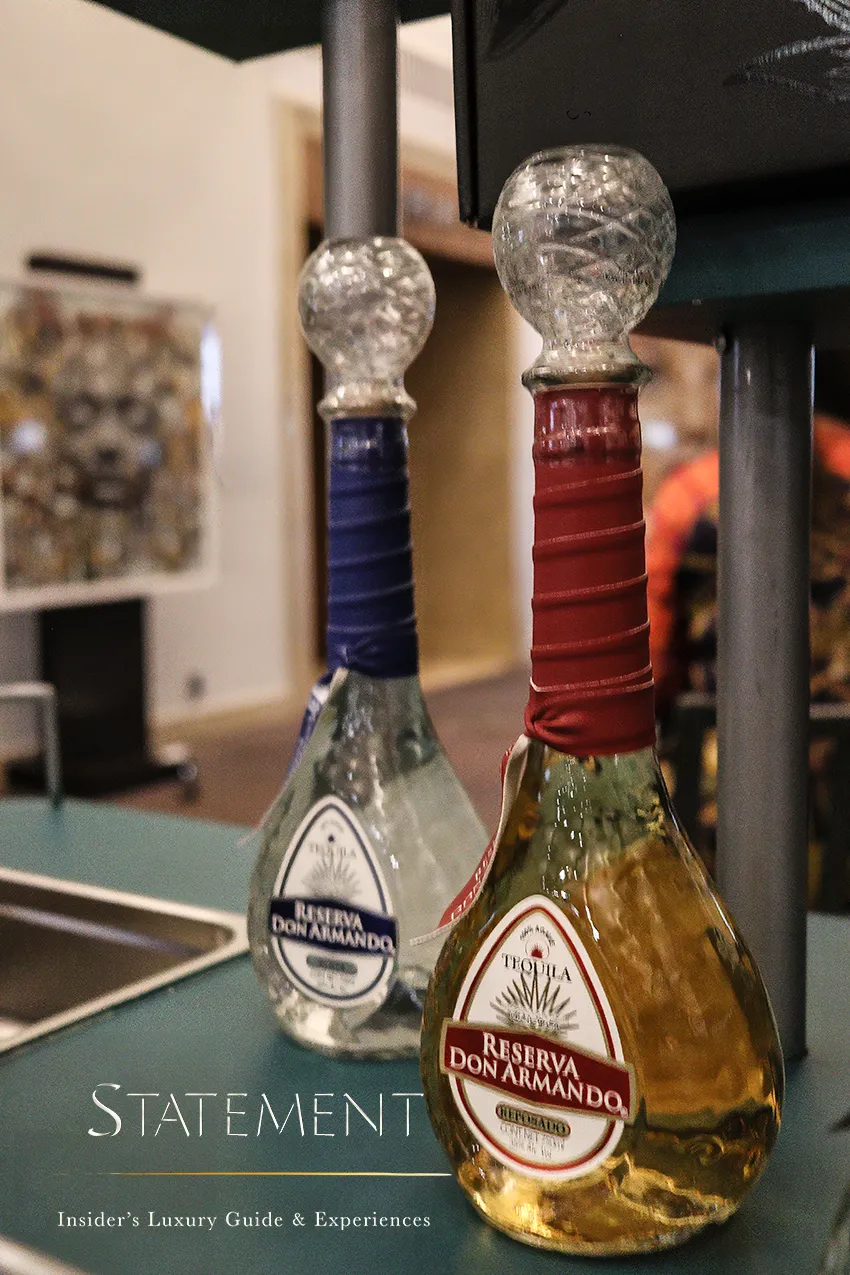
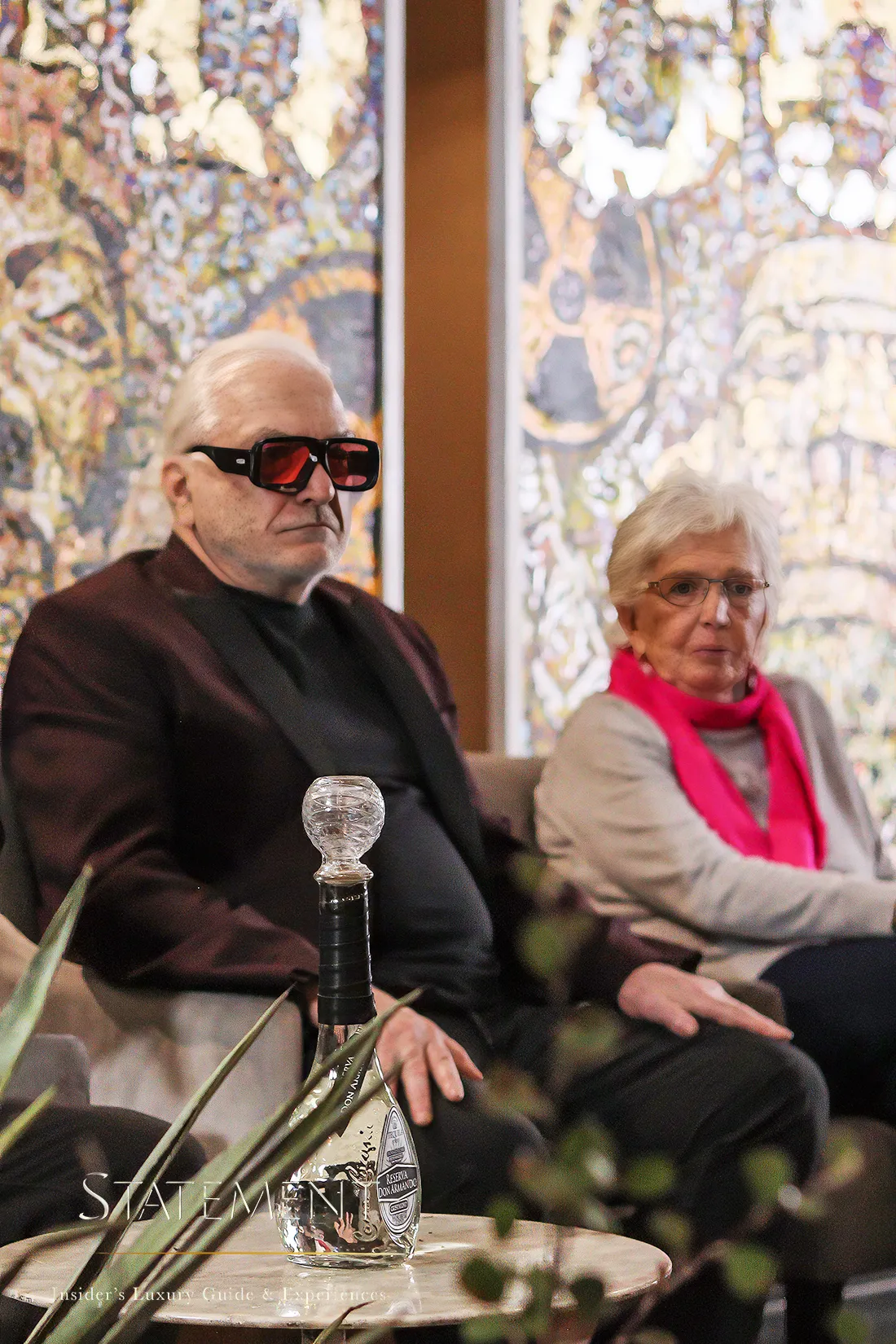
Adrián Corona explained that Grupo Corona is working with DeCunto on a limited-edition Tequila Reserva Don Armando project centered on an extra añejo expression and an artistically designed bottle.
The company already offers blanco, reposado, and cristalino expressions, but aims to develop something different for this new release.
During his remarks, Corona questioned the idea of approaching the design solely through artificial intelligence tools or commercial trends. For him, the objective is to create a project involving the people behind tequila production as well as the artist himself.
For this reason, the collaboration includes an immersive experience in which DeCunto can become familiar with tequila-making processes and different expressions of Mexican culture.
The initiative remains in development. Grupo Corona expressed its intention to move toward a launch in 2027, although no definitive commercial release date has been announced.
Rather than simply transferring a painting onto a label, the project aims to make the artist’s experience in Mexico part of the creative process.
The Galleries Behind the Project
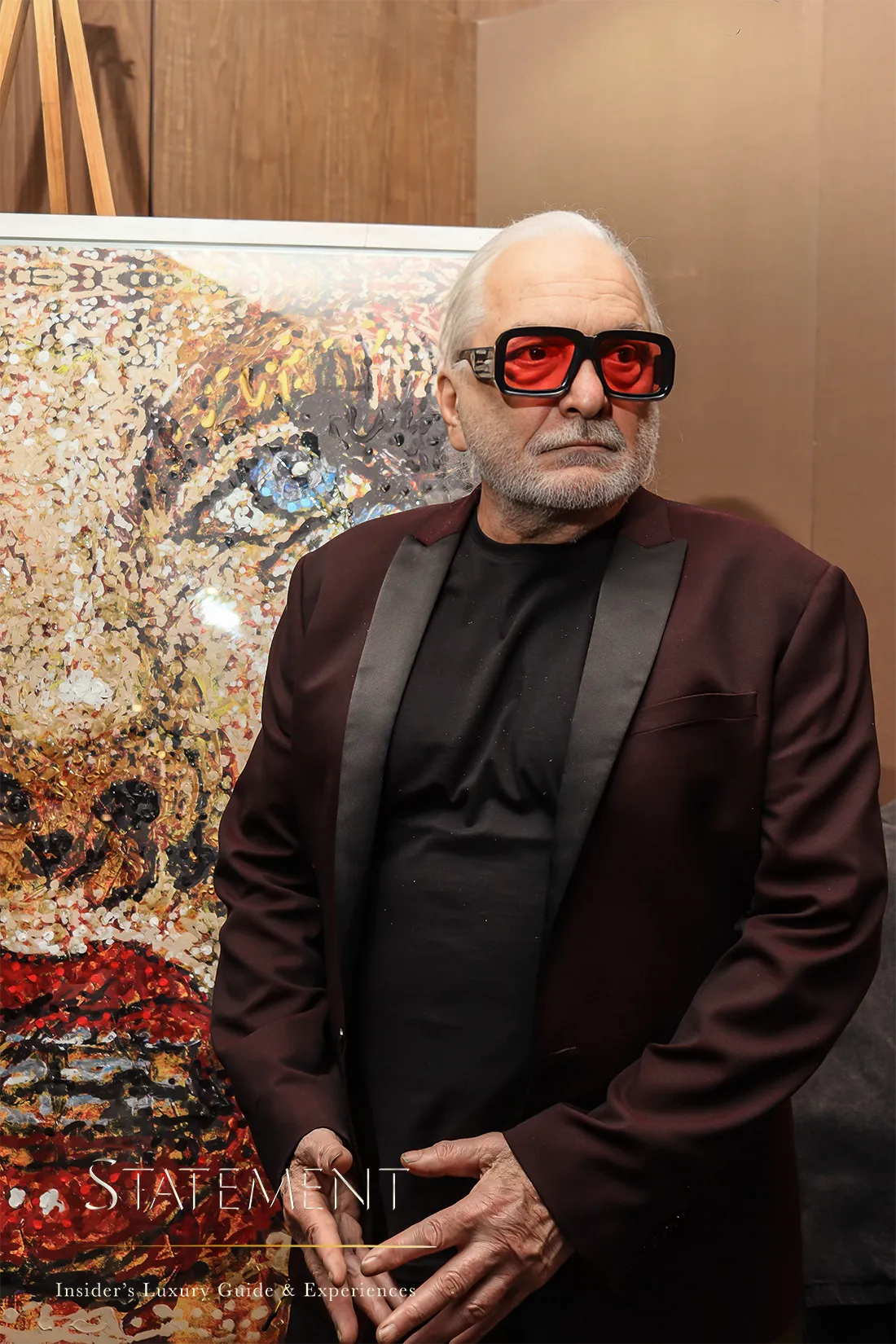
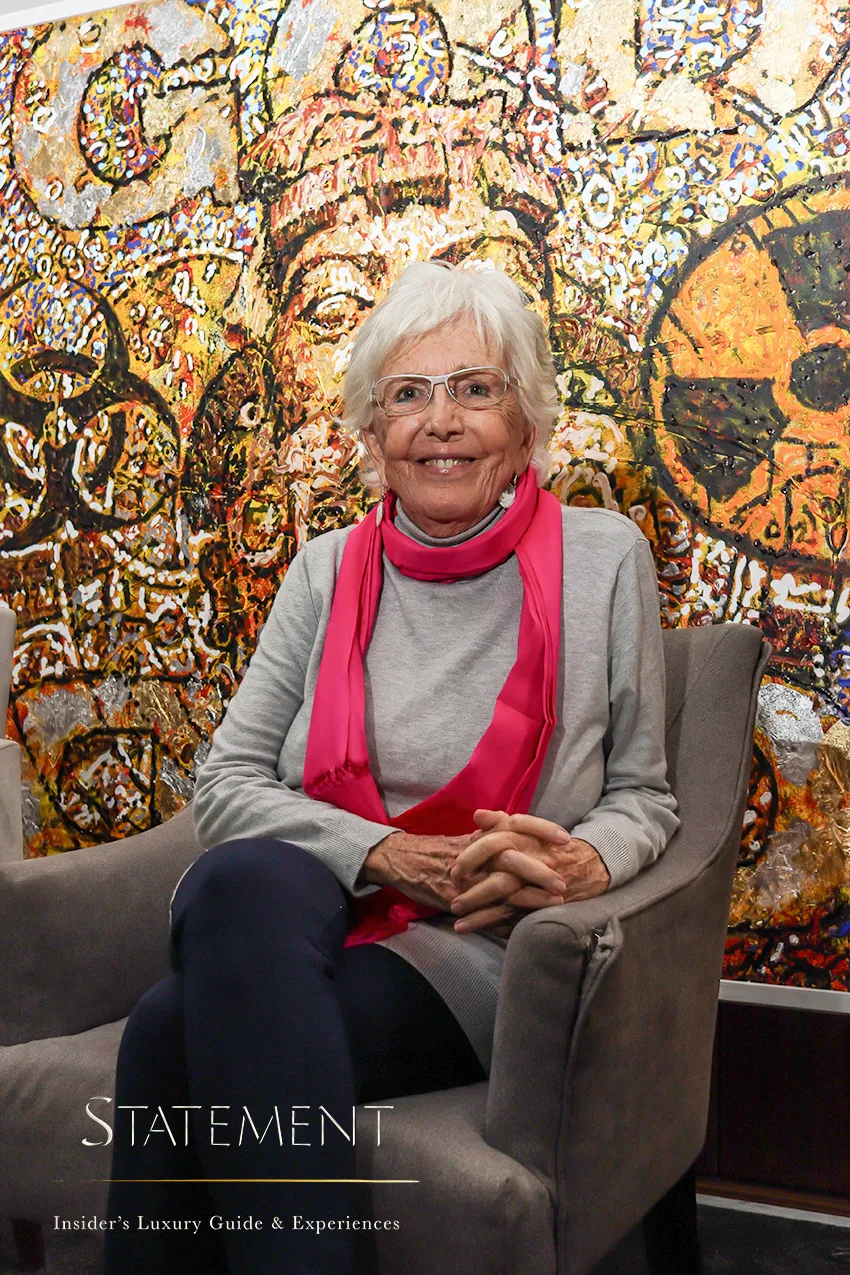
The presentation also brought together two figures involved in promoting art in Mexico: Mimí Mendoza, director of Mimí Mendoza Art Gallery, and Carmen Parra, a visual artist and director of El Aire Centro de Arte.
Mendoza emphasized the importance of introducing DeCunto’s work to new audiences and collectors, while Parra reflected on the value of artistic creation in a world increasingly shaped by artificial intelligence.
Both are involved in a collaboration connecting the presentation of the paintings with the project developed by Grupo Corona.
The initiative also includes an exhibition component, with El Aire Centro de Arte serving as a space for Mexican audiences to encounter the artist’s work.
Grupo Corona’s Vision: Showcasing Mexico’s Many Facets
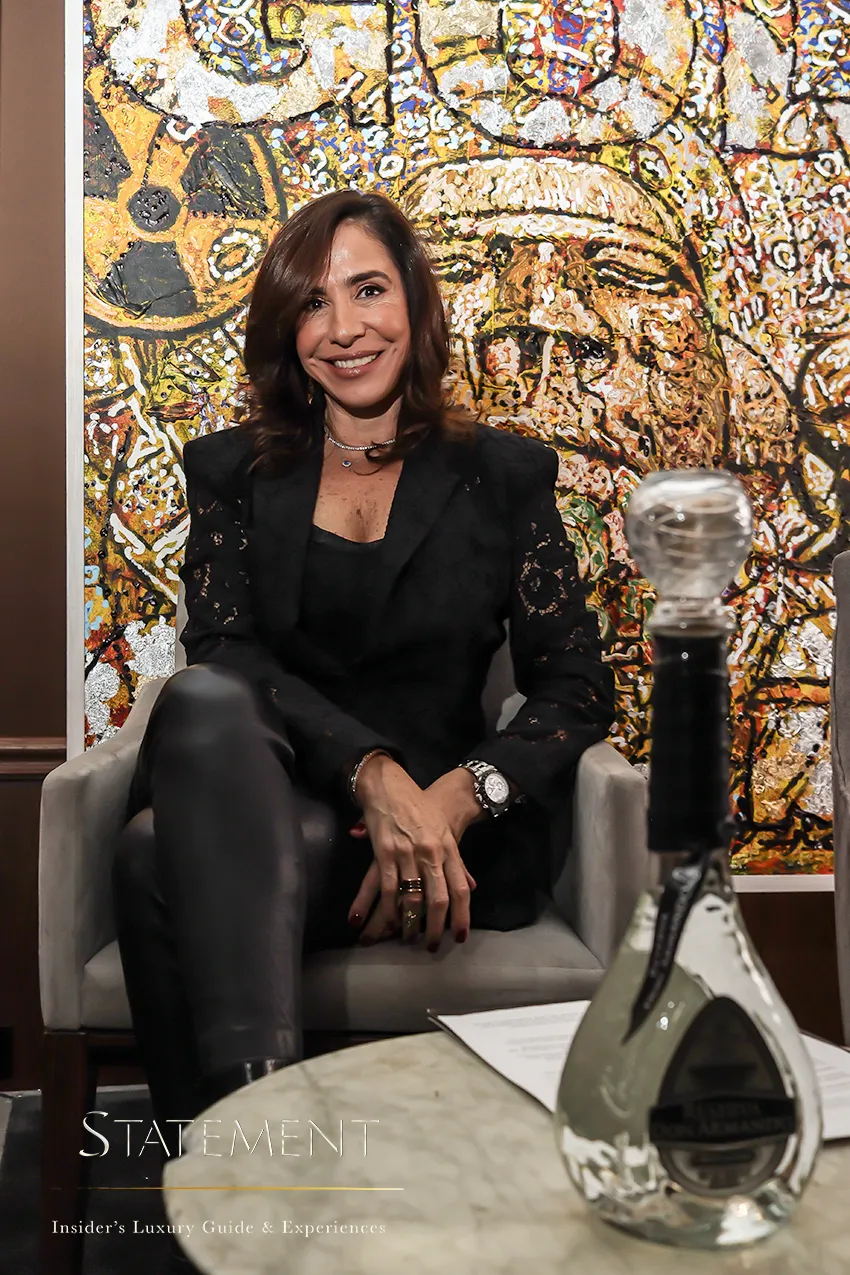
In a conversation with Statement, Johana Gutiérrez, Grupo Corona’s public relations representative, shared her perspective on the purpose of the partnership.
“I think there are many factors, but creating everything with great love and passion is the most important thing. And wanting to showcase Mexico in all its facets is what makes it so special,” she said.
The Mexican company sees this collaboration as part of a long-term project intended to bring together artistic talent, Mexican production, and new cultural experiences.
Its development involves people from different disciplines, from the workers responsible for tequila production to the artists and gallery directors supporting the initiative.
Looking to the Past as a Way of Seeing the Future
Giovanni DeCunto’s presence in Mexico reveals two stages of the same collaboration.
The first has already taken shape: three paintings inspired by Mexica and Maya deities that incorporate historical references into a contemporary pictorial language.
The second is still being developed: an extra añejo tequila bottle intended to bring the artist’s vision together with the processes and materials of a Mexican production tradition.
Between the two lies a question that runs throughout DeCunto’s work: how can we transform what we inherit without losing the possibility of interpreting it in our own way?
Perhaps that is why it is significant that the first painting he sold was a copy of a Rembrandt. His career began by studying another artist’s language and, over time, transforming it into part of his own expression.
Now, faced with Mexico’s ancient symbols, that exploration continues.
Follow us on Statement.
images
Statement – Alan González.©