
Reading Time: 2.5 min.
Victoria, Halifax and St. John’s offer three very different ways to experience Canada’s coast. From the Pacific to the Atlantic, these cities combine nature, history, food and a relationship with the ocean that has shaped much of their identity.
Far from the more familiar itineraries through Toronto, Montreal or Vancouver, exploring these coastal cities reveals another side of Canada: slower-paced, closely connected to the landscape and deeply influenced by the sea.
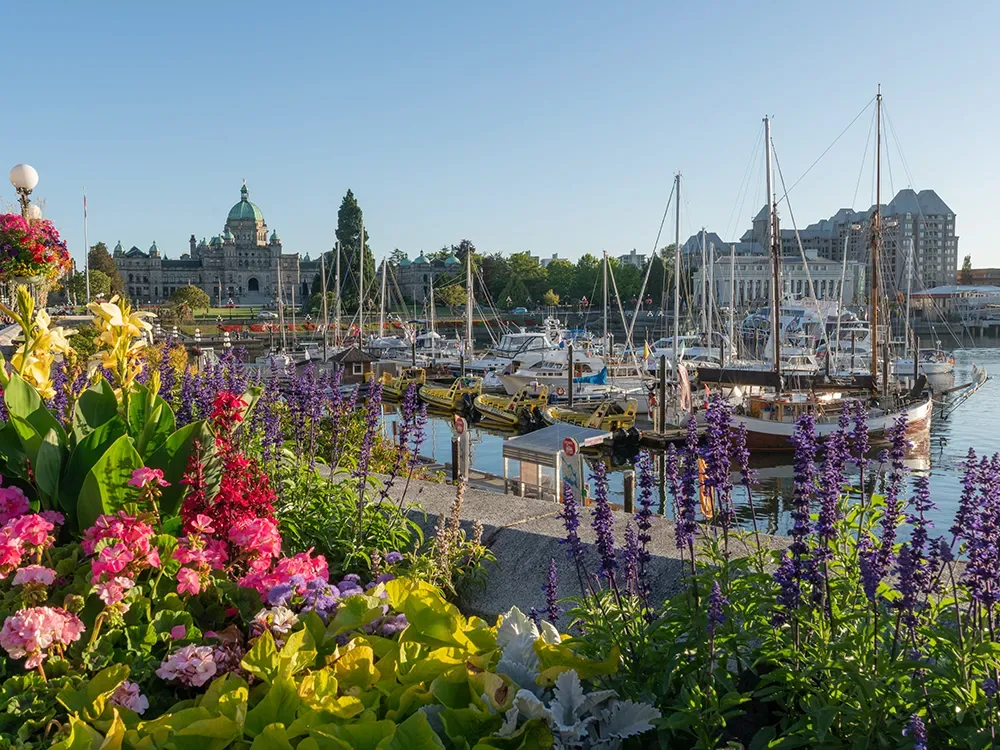
Victoria: Nature and Elegance on the Pacific
Victoria, the capital of British Columbia and located on Vancouver Island, blends British heritage with the relaxed character of Canada’s West Coast. Its Inner Harbour is at the heart of the city, while attractions such as the Royal BC Museum and Beacon Hill Park make it easy to combine culture and nature in a single visit.
Its location on the Pacific also makes Victoria one of Canada’s best-known destinations for whale-watching excursions. Beyond its historic center, which is easily explored on foot or by bicycle, the city offers independent cafés, gardens and an unhurried pace that rewards travelers who prefer to take their time.

Halifax: Maritime History and Food on the Atlantic Coast
Halifax, the capital of Nova Scotia, is one of the main coastal cities in Eastern Canada and is home to one of the world’s largest natural harbors.
Its waterfront boardwalk stretches for approximately four kilometers, bringing together restaurants, galleries and cultural spaces that reflect the city’s maritime identity. Nearby, the Maritime Museum of the Atlantic and the Halifax Citadel offer a glimpse into the centuries of history that have shaped this important port.
No visit would be complete without trying two local classics: the lobster roll and Halifax’s traditional donair, both firmly associated with the region’s food culture.
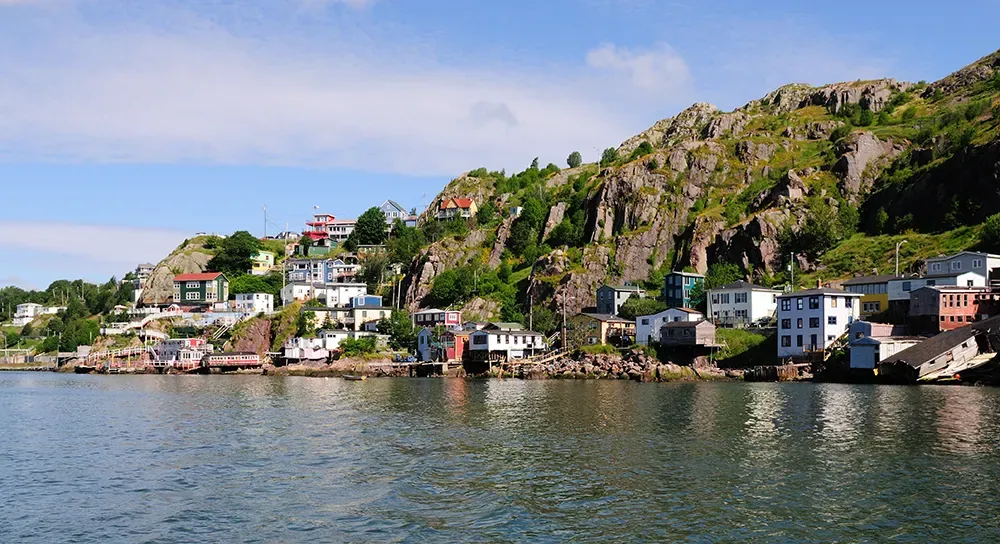
St. John’s: Atlantic Landscapes and Colorful Streets
St. John’s, the capital of Newfoundland and Labrador, sits on Canada’s eastern edge and is one of the oldest cities in North America. Colorful, vibrant and deeply connected to the Atlantic, its famous Jellybean Row houses create one of the region’s most recognizable urban landscapes, while Signal Hill offers a glimpse into the city’s maritime past.
Just outside the city lies Cape Spear, the easternmost point of Canada and North America excluding Greenland. Depending on the season, visitors can watch whales and even icebergs moving along the coast.
After dark, George Street becomes one of the centers of the city’s nightlife, with pubs, live music and a strong Irish influence adding another layer to the St. John’s experience.

Which Coastal City in Canada Should You Visit?
Victoria is a natural choice for travelers looking for gardens, wildlife, whale watching and a relaxed Pacific atmosphere. Halifax combines maritime history, food and urban life, while St. John’s stands out for its dramatic Atlantic scenery, colorful architecture and seasonal opportunities to see whales and icebergs.
Together, the three destinations reveal a side of Canada that feels very different from its major metropolitan centers.
How to Travel to Victoria, Halifax and St. John’s from Mexico
Traveling from Mexico to these coastal cities generally involves connecting through one of Canada’s major airports. Air Canada offers itineraries from Mexico to destinations including Victoria and Halifax, with connections through its Canadian network. Its current route listings also connect Victoria with Halifax and St. John’s.
This makes it possible to combine a coastal destination with time in one of Canada’s larger cities, creating an itinerary that ventures beyond the country’s most familiar routes.
From Victoria’s Pacific setting to the Atlantic character of Halifax and St. John’s, Canada’s coast offers three distinctly different ways to experience the country.
Follow our networks on Statement.
images
Air Canada.