Reading Time: 4 min.
The Corporate Chef of Grupo Brisas arrives at Le Bistro Palacio with a limited-time menu exploring some of the defining codes of French cuisine, from truffle croque monsieur to salmon beurre blanc.
Some dishes do not need to be reinvented to feel exciting again. Sometimes, returning to their origins, respecting the technique and changing one ingredient in just the right place is enough.
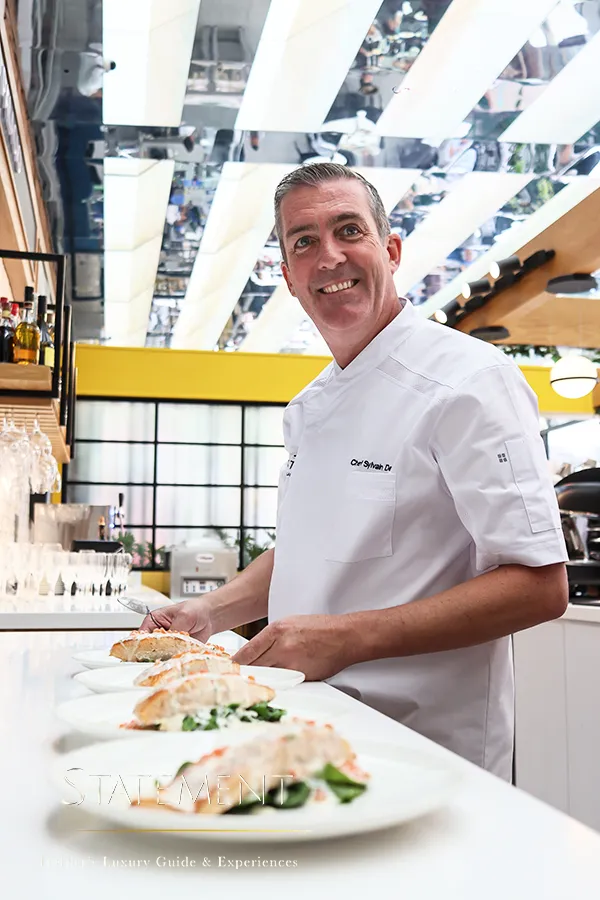
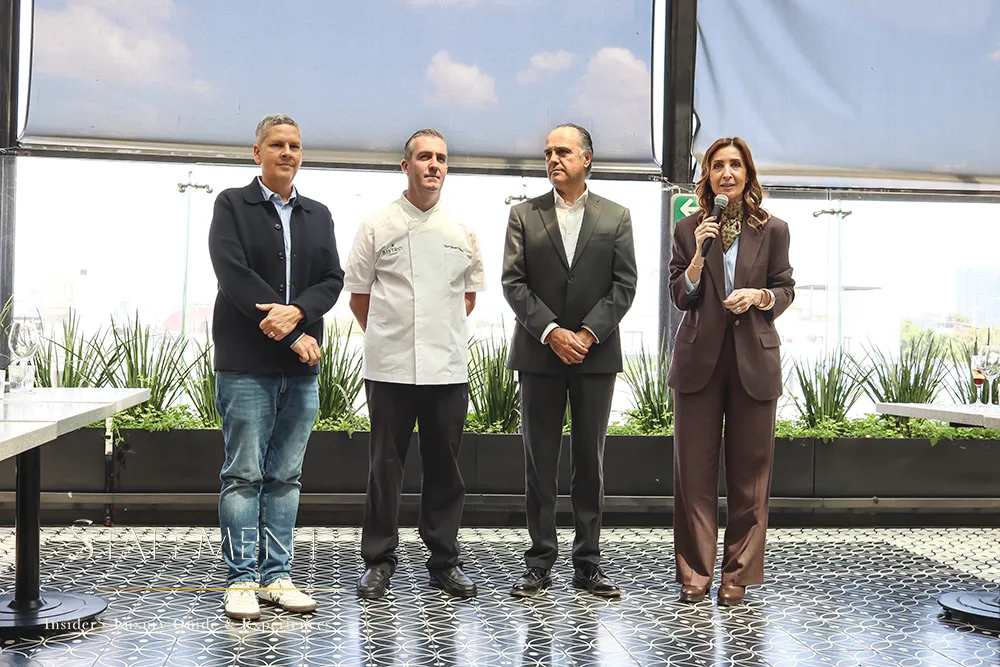
That is the idea behind the menu Sylvain Desbois, Corporate Chef of Grupo Brisas, created as a guest of Le Bistro Palacio at El Palacio de Hierro Polanco. Available for a limited time, the menu revisits some of the most recognizable expressions of French cuisine without turning them into museum pieces.
“We want a bistro menu,” Desbois recalled being told when he was invited to develop the concept. His answer was straightforward: create something that genuinely feels like a bistro—seemingly simple, yet built around flavor.
A Four-Course Journey Through French Classics
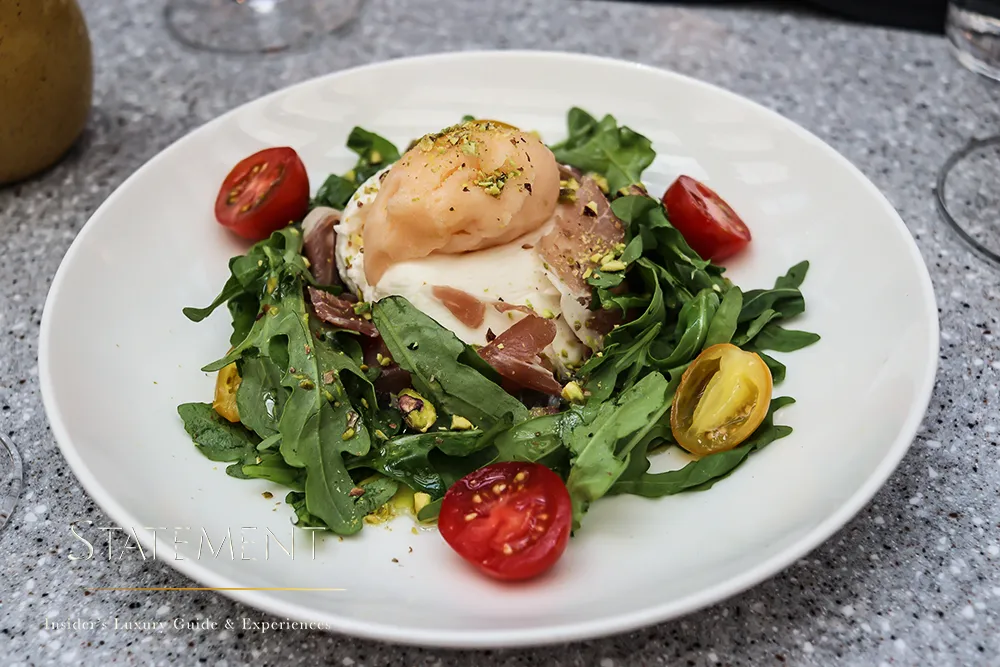
First, the experience begins with Salade de l’été, inspired by the classic pairing of melon and ham. Here, it arrives with creamy burrata, cherry tomatoes, Serrano ham, pistachio pesto and Cantaloupe melon sorbet.
It is a fresh, balanced opening. The burrata and ham bring richness and salinity, while the melon sorbet adds contrast and lightness. The pistachio pesto ties everything together, leaving an excellent final impression on the palate.
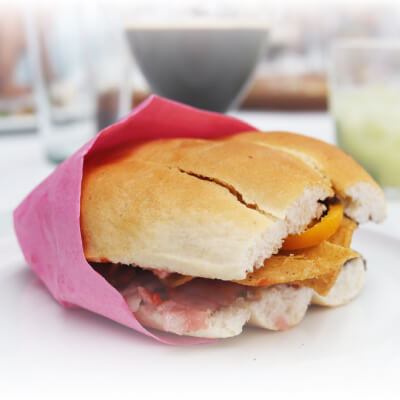
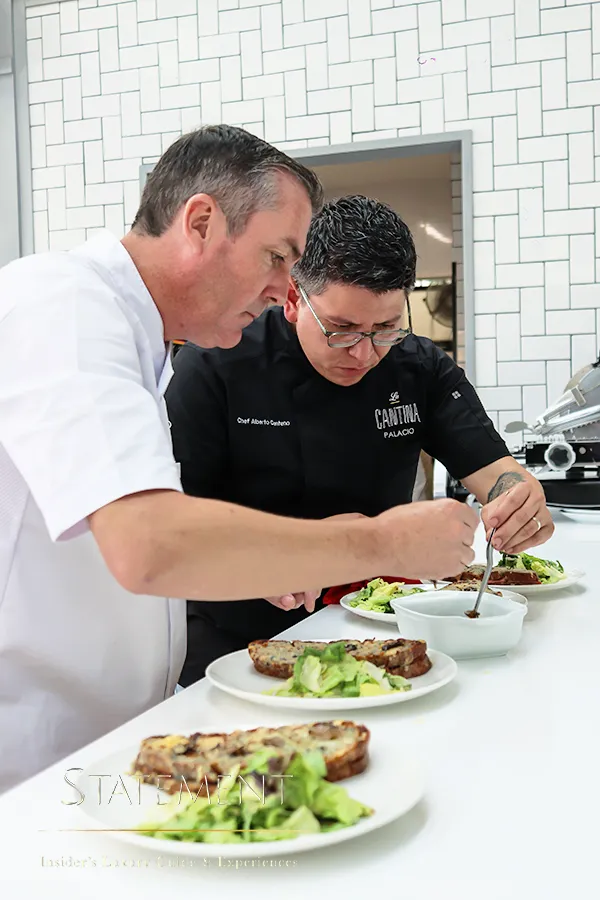
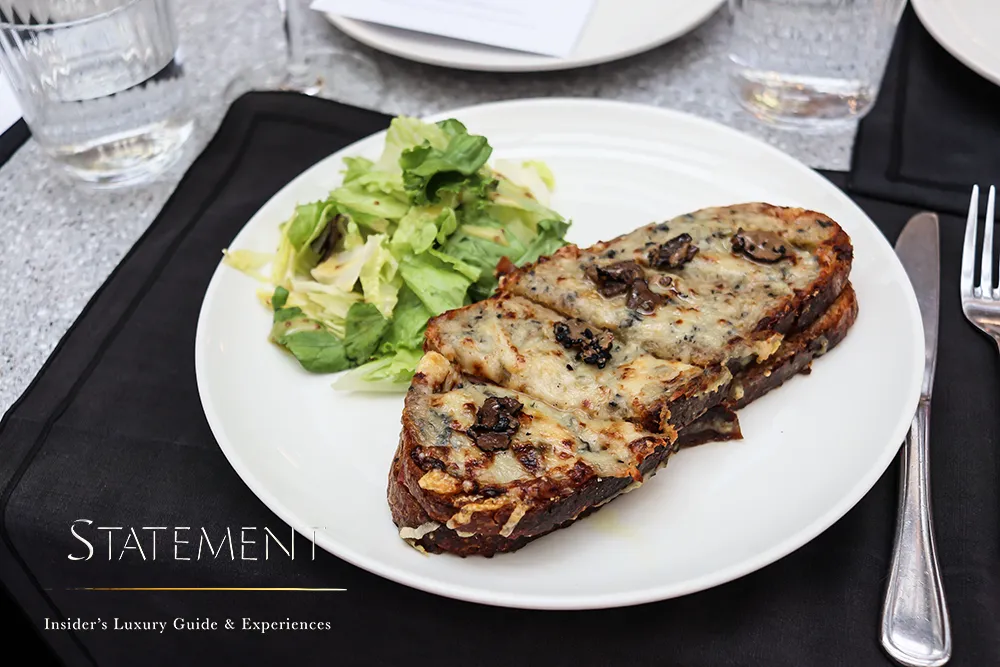
Next comes one of the essentials of the French repertoire: Croque Monsieur Truffe.
Desbois starts with the classic preparation of ham, melted Comté cheese and artisanal sourdough bread, then introduces black truffle. It may seem like a small change, but it transforms the dish: the truffle expands its aromatic depth and intensifies the cheese without taking away the comforting character that defines a croque monsieur.
“You can’t have a bistro without a croque monsieur,” the chef explained during the presentation.
French Technique at the Center of the Plate
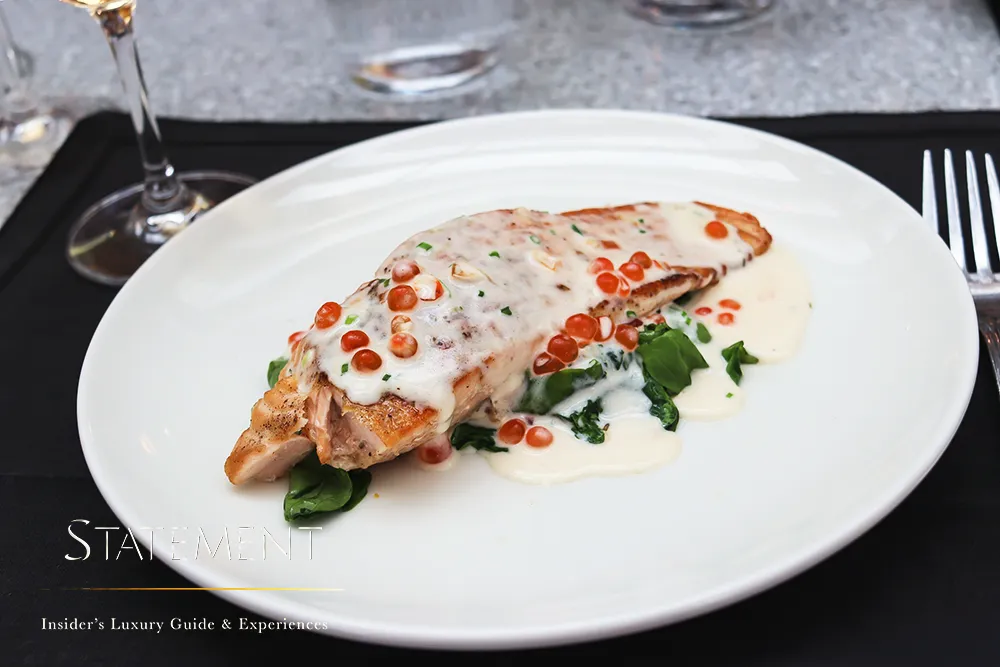
For the third course, the menu moves into one of the areas where French cuisine demonstrates why its technique remains a reference point: Saumon Beurre Blanc.
The seared salmon fillet is served with beurre blanc enriched with salmon roe and accompanied by baby spinach. The sauce adds richness without overpowering the fish, while the roe delivers small bursts of salinity that heighten its flavors.
There is no attempt to disguise the main ingredient here, but rather to enhance it. The result lies in the balance between the salmon, the sauce and the concentrated intensity of the roe.
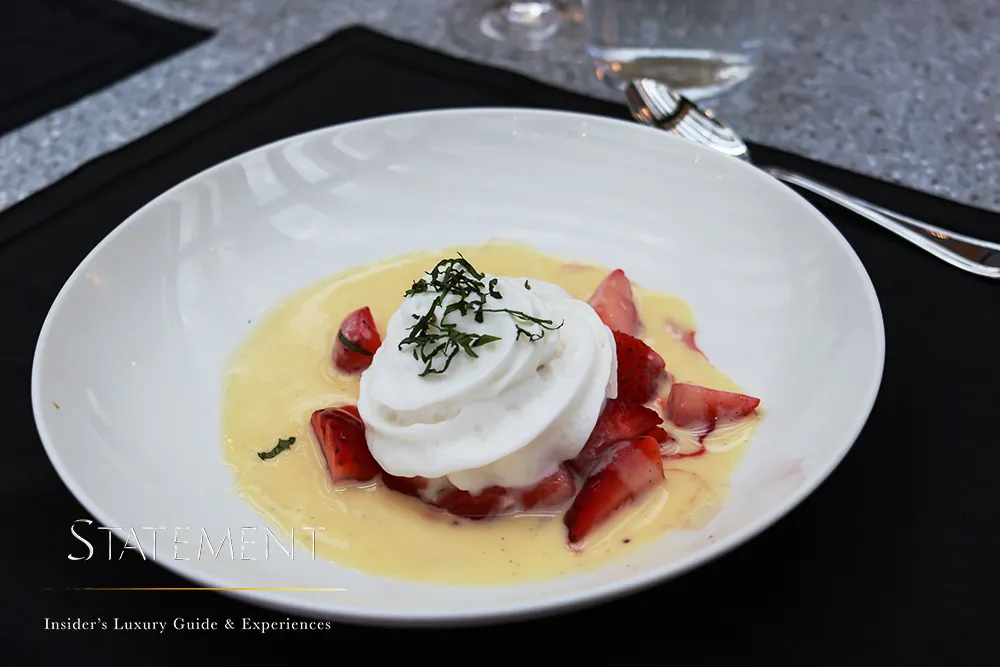
Finally, the experience concludes with Fraise Melba, Desbois’ interpretation of the coupes glacées he remembers from the 1970s and 1980s.
Vanilla ice cream, strawberry coulis, crème anglaise, fresh strawberries and a delicate crown of whipped cream come together in a deliberately classic dessert. After the intensity of the truffle and beurre blanc, the combination provides a fresh, balanced finish to the meal.
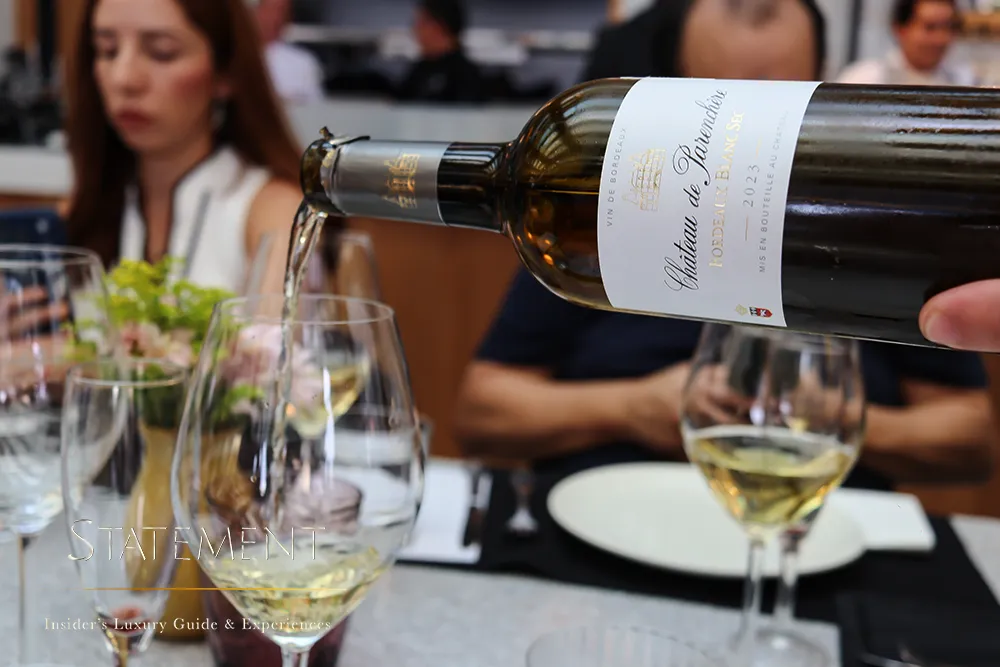
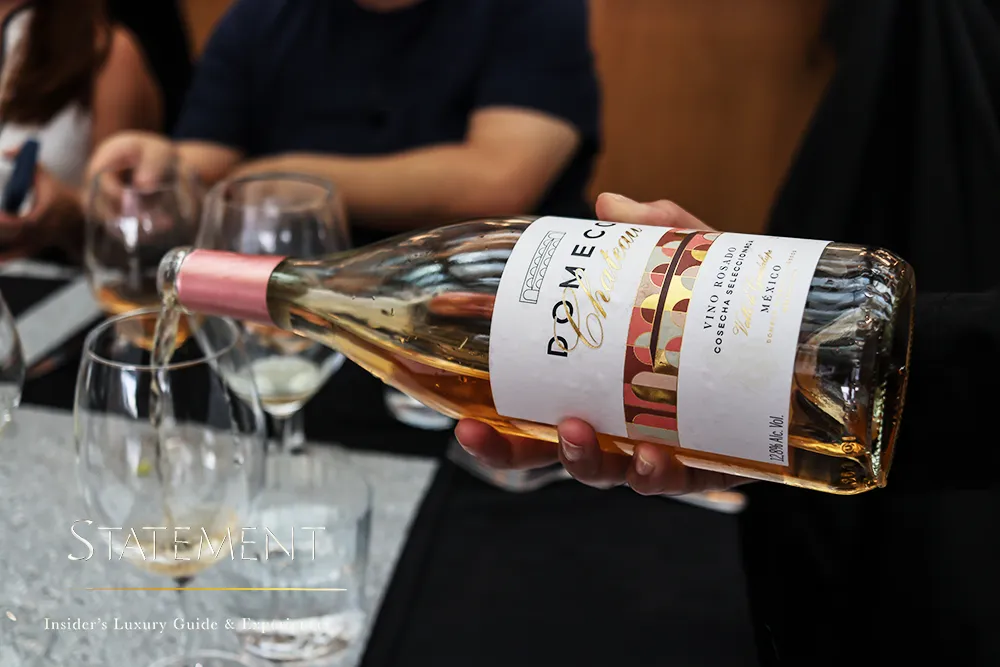
The four-course menu is paired with Château de Parenchère Blanc, Bordeaux AOC, France.
French Cuisine Returns to the Conversation
Sylvain Desbois’ appearance at Le Bistro Palacio is part of a series of culinary encounters the restaurant has hosted throughout 2026. Its kitchen has welcomed figures such as Guy Santoro and Alexis Preschez, as part of a program that is once again placing French culinary tradition at the center of the table.
During the presentation, Claudio Poblete, Director of Grupo Culinaria Mexicana, took the conversation beyond the four courses, raising a particularly interesting point: French cuisine is experiencing renewed momentum in Mexico, but its relationship with Mexican gastronomy is anything but new.
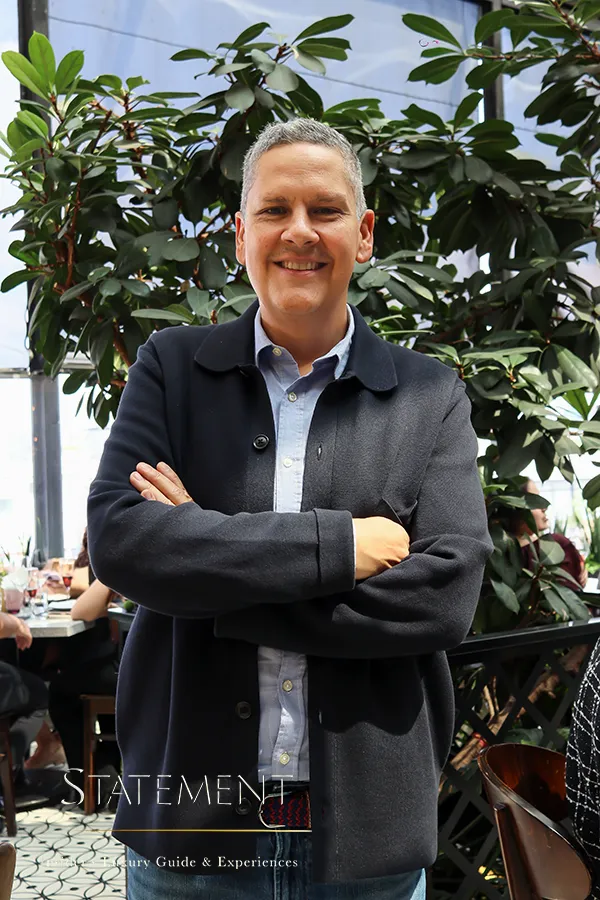
Poblete recalled how the French influence that swept through Mexico from the late 19th century and well into the 20th left a profound mark on restaurants, techniques, preparations and even the way the table itself was understood. Rather than treating it simply as an imported influence, he proposed bringing the idea of Franco-Mexican cuisine back into the conversation—the result of decades of exchange and adaptation.
His examples included dishes that were once part of the repertoire of some of Mexico’s great restaurants, as well as historic names associated with French dining in the country. His perspective also looked toward the present: after years of playing a less prominent role, French cuisine appears to be regaining momentum through new restaurants, chefs and collaborations.
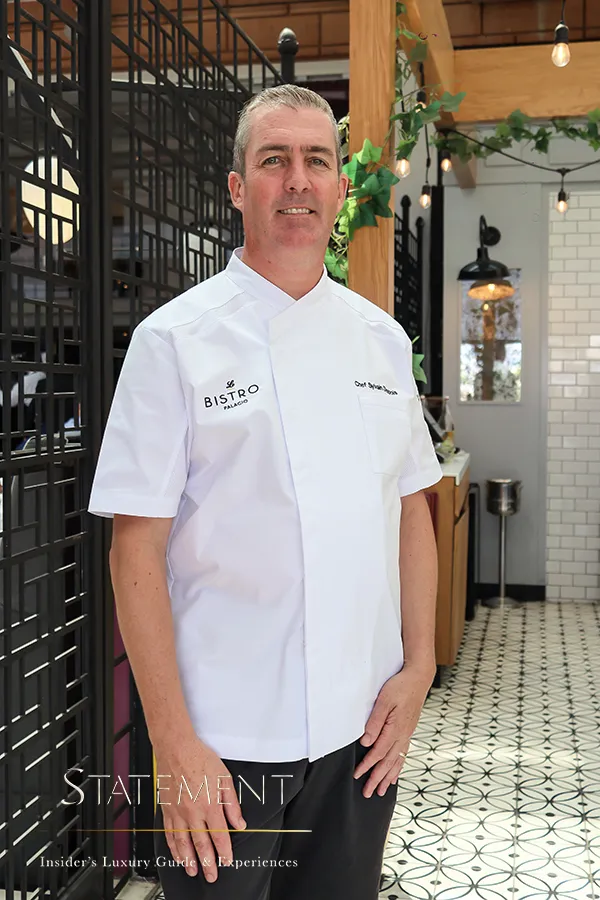
Within that context, Desbois’ arrival at Le Bistro Palacio takes on another dimension. Born in Brittany and recently appointed Corporate Chef of Grupo Brisas, he is not simply presenting a collection of French classics; he is taking part in a culinary conversation Mexico has known for a very long time.
Mexico and France: A Relationship Also Celebrated at the Table
The collaboration coincides with the commemoration of 200 years of diplomatic relations between Mexico and France in 2026, a celebration El Palacio de Hierro has extended through a series of experiences at its Polanco flagship.
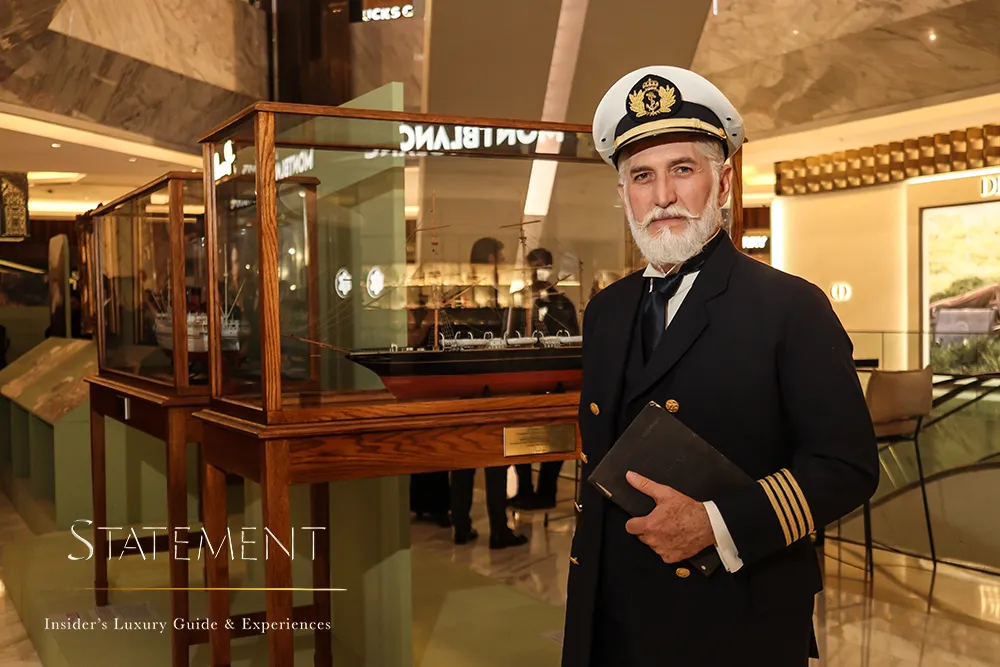
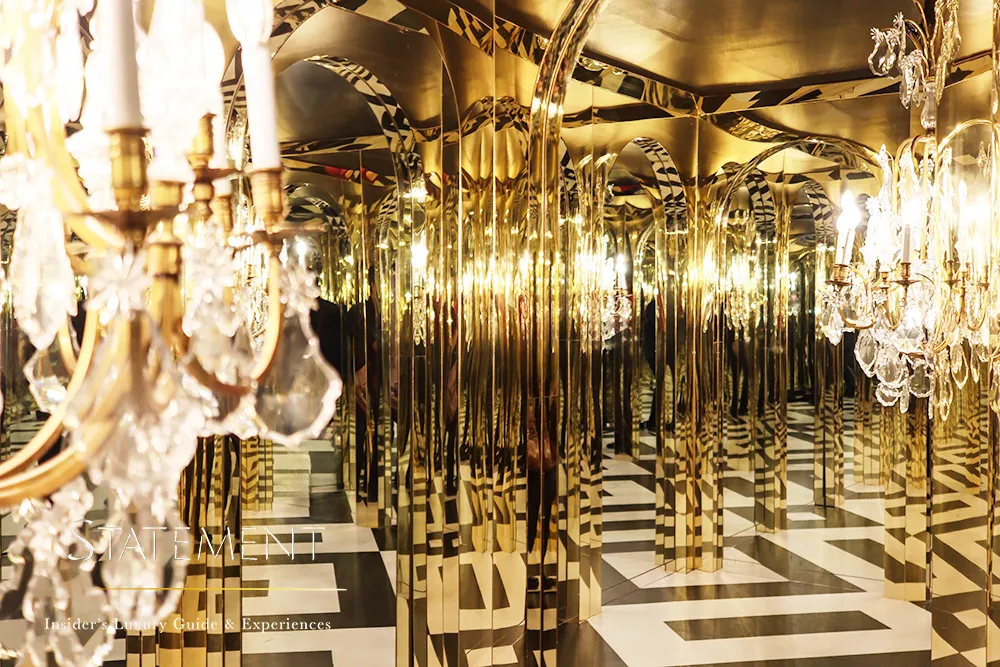
During the gathering, María Martha, Public Relations Manager at El Palacio de Hierro, also highlighted the exhibition “De Barcelonnette a México: una historia de origen” and “The Selfie Experience: L’Art de Vivre”, two of the experiences celebrating the connection between both countries.
At Le Bistro Palacio, that relationship takes a much more immediate form: sitting down at the table.
And perhaps that is what makes Sylvain Desbois’ proposal most interesting. It does not try to show how far it can move away from a French bistro, but rather remind us why certain classics continue to work when product, technique and flavor remain in balance.
Follow our networks on Statement.
images
Statement – Alan González S. ©